Los Angeles Real Estate Guide: Market Trends, Neighborhood Picks, Rental Realities & Smart Tips for Buyers, Sellers & Investors

Los Angeles real estate remains one of the most dynamic and diverse markets in the country, blending high-end luxury, dense urban living, and sprawling suburban neighborhoods.
Whether you’re buying, selling, renting, or investing, understanding the broad trends shaping L.A. housing helps you make smarter decisions.
What’s driving the market
Demand in Los Angeles is shaped by a mix of lifestyle preferences and economic forces.
Tech, entertainment, and creative industries continue to attract talent, while remote and hybrid work patterns have shifted buyer priorities toward space and flexibility. High construction costs and limited developable land in many neighborhoods keep supply constrained, which supports pricing resilience even as mortgage markets and economic sentiment fluctuate.
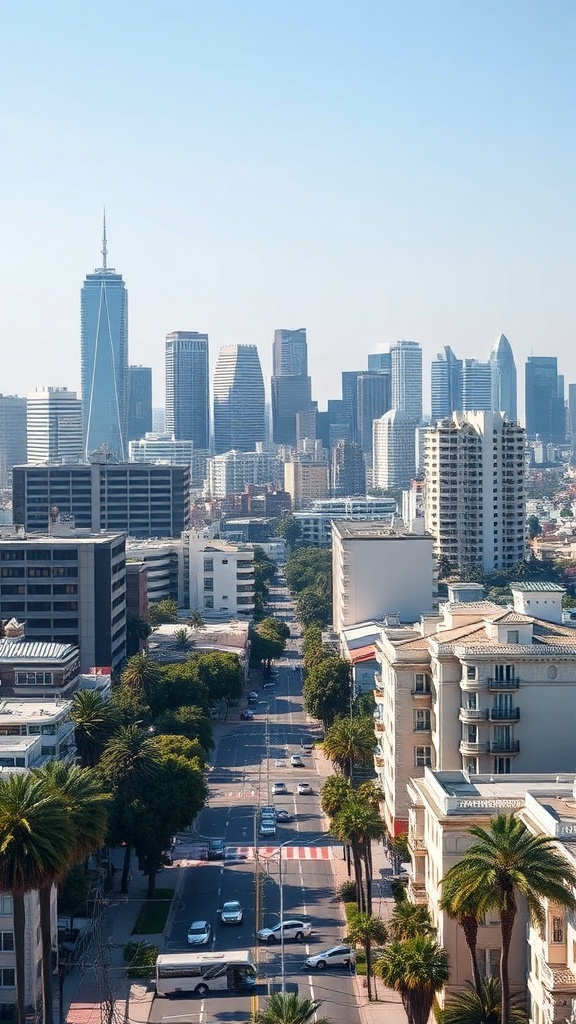
Neighborhoods and buyer preferences
Walkability, access to transit, and neighborhood character are major draws. Coastal neighborhoods and hillside enclaves maintain strong appeal for second-home buyers and luxury purchasers, while central neighborhoods that combine nightlife, cultural amenities, and transit connections attract young professionals. Suburban and exurban areas are popular with buyers seeking more living space and lower per-square-foot costs, often trading commute time for a yard and larger floorplans.
Rental market realities
Rental demand in Los Angeles is strong, with competition concentrated in neighborhoods close to job centers and universities.
Renters are looking for units with modern amenities, efficient layouts, and flexible lease options. For investors, well-managed multifamily properties in transit-rich corridors remain attractive, though short-term rental strategies face growing regulation and enforcement in many parts of the city.
Development, density, and policy
Local governments continue exploring ways to add housing supply through denser zoning, accessory dwelling unit (ADU) programs, and incentives for transit-oriented development. Renovation and adaptive reuse projects—turning underused commercial properties into residential units—are increasingly common in central areas. Buyers should verify permits and compliance for ADUs and renovated properties, as improper permitting can create headaches during escrow or resale.
Luxury and high-end trends
The luxury segment frequently outpaces broader market trends, driven by buyers seeking unique architecture, privacy, and amenity-rich estates. High-end condos and single-family homes with strong design, outdoor living spaces, and proximity to cultural institutions maintain steady interest from domestic and international buyers.
Tips for buyers, sellers, and investors
– Buyers: Get preapproved and be ready to move quickly on competitive listings. Prioritize a strong local agent who knows micro-neighborhood dynamics.
Factor in maintenance, insurance, and potential retrofit costs for older homes.
– Sellers: Stage strategically and invest in high-quality listing photos and virtual tours. Highlight outdoor living spaces, storage solutions, and updates that reduce maintenance concerns for buyers.
– Investors: Focus on cash flow metrics, vacancy history, and regulatory context for short-term rentals. Multifamily properties near transit and employment centers typically offer more stable returns.
Seismic, insurance, and inspection considerations
Los Angeles homes can have unique inspection considerations—seismic vulnerabilities, hillside risks, and older plumbing or electrical systems. Secure a thorough home inspection and confirm insurance options that address local risks and retrofit requirements.
Navigating the market
Working with experienced local professionals—agents, lenders, inspectors, and contractors—will help you navigate neighborhood-level trends, permitting nuances, and market timing. With the right approach, Los Angeles real estate offers a range of opportunities for lifestyle buyers, long-term investors, and those seeking a foothold in one of the country’s most culturally vibrant urban areas.
