LA Clippers’ Title Window: How Two-Way Stars, Depth and Injury Management Shape Championship Odds

LA Clippers: How the Team’s Identity Shapes Its Title Window
The LA Clippers remain one of the league’s most watched franchises because of a simple equation: elite two-way talent plus playoff-level depth.
The result is a team built to win high-stakes series, but one that must balance health, rotations, and consistent role-player production to convert potential into a championship.
Star Duo and Two-Way Excellence
At the core of the Clippers’ blueprint is their star pairing. Defensive intensity from the perimeter combined with reliable isolation scoring creates matchup problems for opponents.
That two-way foundation allows the Clippers to switch frequently on defense and still generate transition offense when turnovers or misses occur.
Managing star minutes and load is an ongoing priority; keeping the top players available for the postseason often determines how deep the team can go.
Depth, Versatility, and the Modern Rotation
Beyond the stars, the Clippers invest in versatile wings and bigs who can defend multiple positions and space the floor. Small-ball lineups with shooting threats have become common late in games, while traditional plus-size lineups are used to contest rebounding and post play against dominant opponents. Bench players who bring high-effort defense, timely three-point shooting, and floor-stretch capabilities are the types that swing series. Roster construction has tilted toward players who can plug into several roles without disrupting chemistry.
Coaching and Tactical Adjustments
Coaching philosophy emphasizes halftime adjustments, late-game execution, and situational defense. Teams facing the Clippers often try to exploit gaps when stars are off the floor, so the coaching staff prioritizes seamless line-change patterns and a clear hierarchy of plays. Offensively, ball movement and set plays that free up cutters or create open corner threes are staples; defensively, coordination on pick-and-roll coverages and help rotations determines the team’s ability to limit easy baskets.
Injury Management and Player Availability
Injuries can reshape the Clippers’ trajectory quickly.
Sports science, individualized load plans, and communication between medical staff and coaches are central to keeping key players fresh without sacrificing continuity. Depth is the insurance policy — the Clippers’ ability to weather short-term absences relies on bench players stepping into defined roles and delivering efficient minutes.
Front Office Strategy: Win-Now with Flexibility
The front office typically balances immediate championship pursuits with flexibility. This means pursuing upgrades via trade or free agency when it improves title odds, but also maintaining some financial room to react to market opportunities. Draft picks and young-player development are part of long-term planning, though short-term roster moves often prioritize readiness for postseason runs.
Fan Experience and Home Court Energy
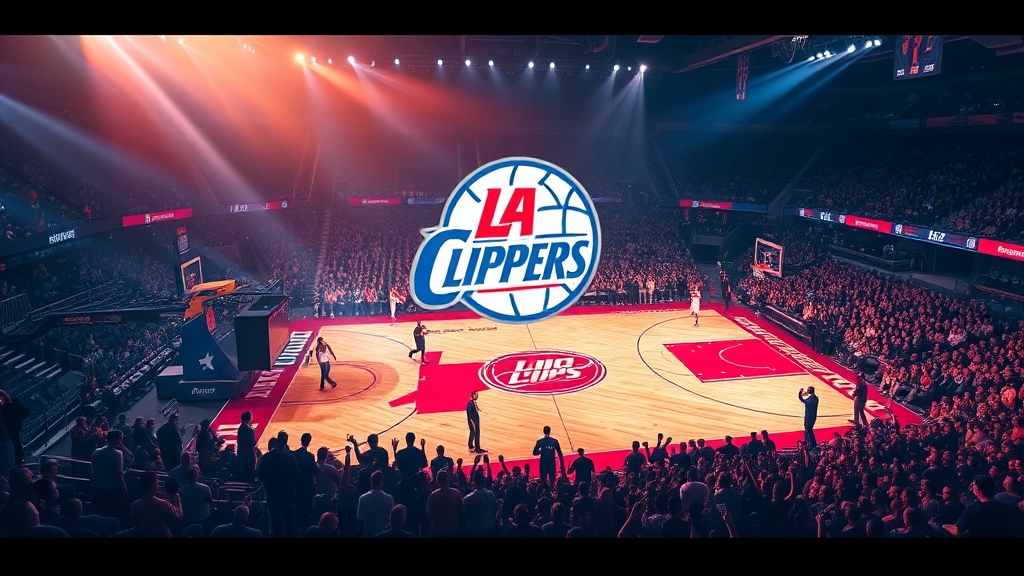
At home, the Clippers share a world-class arena environment that amplifies playoff intensity. Fan engagement, game presentation, and local rivalries help turn regular-season matchups into high-energy showcases. A supportive home crowd can be a decisive factor in tight playoff series, especially when combined with the team’s defensive identity.
What to Watch
Key indicators to monitor include star availability and minutes management, bench shooting efficiency, defensive ratings in close games, and how the team adjusts its lineups against switch-heavy opponents. Those metrics often predict playoff resilience better than raw scoring averages.
The Clippers’ narrative is about finely tuning a roster around top-tier talent while building the depth and tactical flexibility required for postseason success. When health, rotation balance, and bench production align, the team’s blueprint creates a legitimate path to the trophy.
