Los Angeles Real Estate 2026: What Buyers, Sellers & Investors Need to Know About Market Trends, Climate Risks, and Neighborhoods to Watch

Los Angeles Real Estate: What Buyers and Sellers Need to Know Now
Los Angeles real estate remains complex and competitive, shaped by shifting buyer priorities, housing policy, and climate concerns. Whether you’re looking for a starter condo in Koreatown, a hillside view in Silver Lake, or a luxury beachfront property in Venice, understanding the local dynamics will help you make smarter decisions.
Market picture and buyer priorities
Inventory in many LA neighborhoods tends to be tight, especially for single-family homes with outdoor space and access to good schools.
Buyers increasingly prioritize flexible layouts, home offices, and outdoor living areas.
Condos and townhomes are attractive for those seeking lower maintenance and central locations close to transit, restaurants, and cultural amenities.
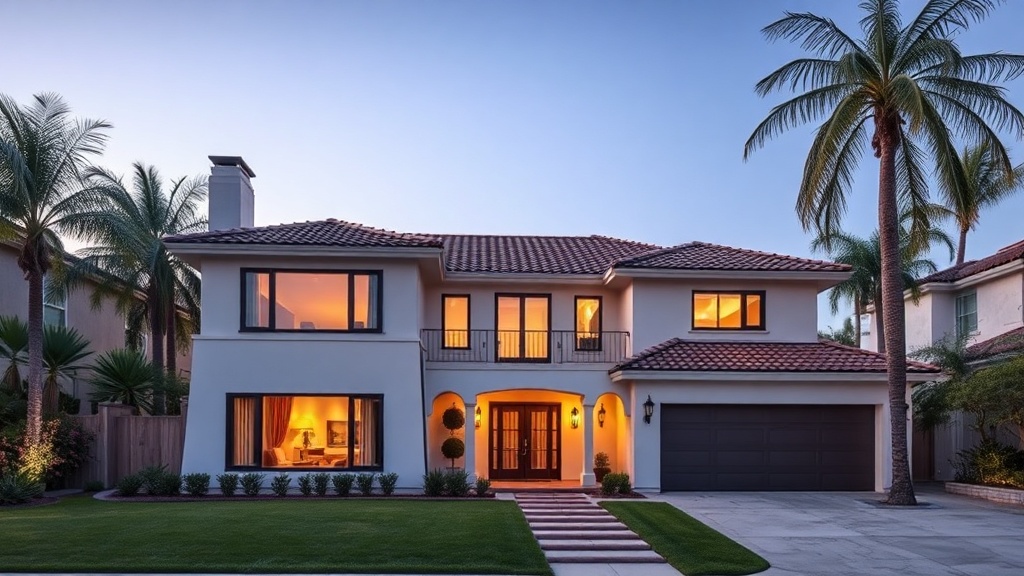
Remote and hybrid work patterns continue to influence where people choose to live. Neighborhoods that combine walkability with quieter residential streets have seen steady interest.
At the high end, luxury amenities, privacy, and proximity to the coast remain major draws.
Policy, development, and zoning
City policies aimed at increasing housing supply have encouraged accessory dwelling units (ADUs) and denser development near transit corridors. This creates opportunities for homeowners to add rental income or expand living space, and for developers to explore infill projects where height and zoning allow. Transit-oriented development along major Metro lines is gaining traction, making neighborhoods near rail stations attractive for long-term growth.
Rental and investor landscape
Renters face a tight rental market in many parts of LA, with demand strongest for units that offer easy commutes and modern finishes. Investors are watching neighborhoods with strong rental fundamentals and potential for appreciation, but they’re also weighing operating costs, HOA rules, and tenant protections that vary by area.
Climate risks and insurance considerations
Climate-related risks are increasingly part of the real estate equation.
Wildfire exposure, drought-driven landscaping requirements, and rising coastal risks affect insurance availability and costs. Buyers should check hazard maps, request detailed insurance quotes, and budget for potential mitigation measures like defensible space, fire-resistant materials, and elevated foundations in flood-prone zones.
Sustainability, energy, and smart home features
Sustainability features are becoming mainstream selling points. Solar panels, electric vehicle charging, energy-efficient appliances, and smart-home systems not only lower operating costs but also increase appeal to eco-conscious buyers. Newer construction and many renovated properties highlight these upgrades as value-adds.
Neighborhoods to watch
Micro-markets matter in LA. Downtown areas continue to evolve with mixed-use projects and cultural investments, while westside and coastal neighborhoods remain popular among buyers seeking lifestyle amenities. Inland communities that offer larger lots and better affordability are attracting families and those seeking more space.
Practical tips for buyers and sellers
– For buyers: Get mortgage pre-approval, prioritize walkable amenities and commute times, and research local school districts if relevant.
Review property disclosures carefully and order inspections focused on seismic retrofits, roof condition, and drainage.
– For sellers: Stage indoor and outdoor spaces to highlight lifestyle features, consider modest updates to kitchens and bathrooms, and price with local comparables in mind. Highlight sustainability upgrades and recent maintenance to reassure buyers.
– For investors: Run pro-forma cash-flow scenarios that include vacancy, maintenance, insurance, and HOA fees.
Check local rent-control rules and tenant protection ordinances that could affect returns.
Working with local experts
Because Los Angeles is a mosaic of distinct neighborhoods and regulations, working with an experienced local agent, a knowledgeable inspector, and a real estate attorney can make transactions smoother and reduce surprises. Detailed neighborhood research—covering transit access, development plans, and climate exposure—pays off.
Whether you’re buying, selling, or investing, focusing on location-specific factors, resilience, and long-term utility will help you navigate Los Angeles real estate with confidence.
