Hybrid Work Meets Experiential Retail: A Los Angeles Guide to Pop-Ups, Local Sourcing, and Community Marketing

How Los Angeles Businesses Thrive with Hybrid Work and Experiential Retail
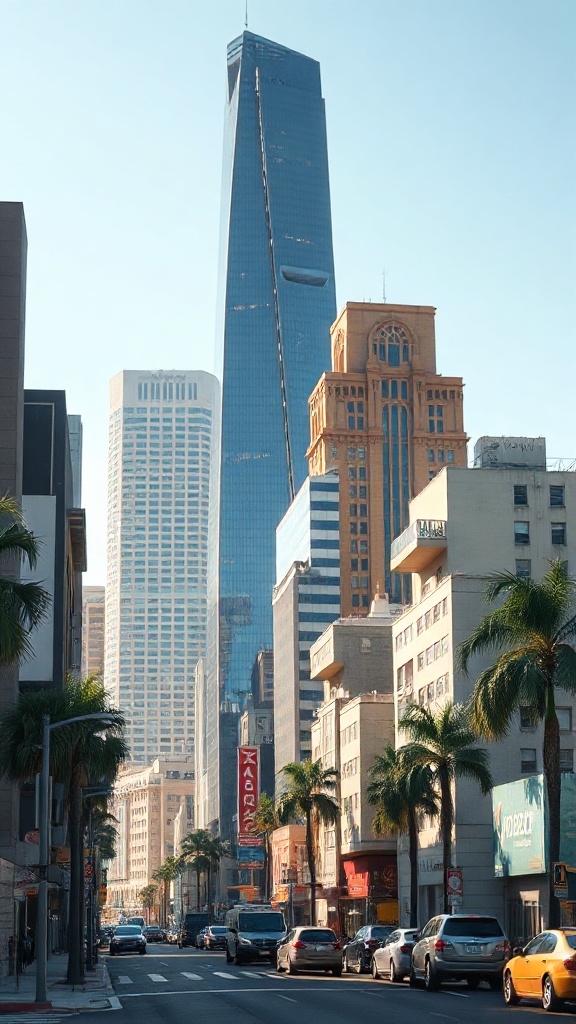
Los Angeles businesses are shaping a distinctive path that blends flexible work models with immersive, in-person experiences.
Companies that balance remote collaboration, curated storefronts, and community-driven marketing are seeing stronger customer loyalty and more resilient revenue streams.
Hybrid work as a strategic advantage
Hybrid work isn’t just a temporary trend—many LA employers use it to expand talent pools across neighborhoods while reducing downtown office footprint. Successful implementation focuses on outcomes, not just hours: clear performance metrics, asynchronous communication tools, and intentional in-person collaboration days for brainstorming, training, and relationship building.
Tips for hybrid success:
– Define which roles require on-site presence and which can remain remote.
– Schedule regular in-person sessions for team building and client demos.
– Standardize tools and documentation so remote employees aren’t left out of workflows.
Experiential retail and the pop-up economy
Retail in LA has moved beyond transactions to create memorable experiences. Pop-ups, showrooms, and collaborative retail spaces allow brands to test markets, build buzz, and partner with local creatives. Neighborhoods with high foot traffic and cultural cachet provide fertile ground for short-term activations that convert visitors into long-term customers.
How to plan an effective pop-up:
– Choose a location aligned with your target audience and aesthetic.
– Collaborate with local artists, musicians, or food vendors to amplify authenticity.
– Use limited-time offers and events to drive FOMO and repeat visits.
Sustainability, local sourcing, and brand trust
Consumers increasingly expect businesses to operate responsibly. Local sourcing reduces supply-chain friction and resonates with Angelenos who value community and environmental stewardship.
Transparent practices—packaging choices, energy-efficient operations, and clear messaging—build trust and help differentiate brands in competitive markets.
Leveraging LA’s creative and entertainment ecosystem
Los Angeles offers unparalleled access to creative talent, from filmmakers and producers to designers and influencers. Businesses that tap into this ecosystem can produce high-quality content and experiential campaigns that feel inherently local. Strategic partnerships with entertainment professionals can elevate product launches and amplify reach through storytelling that resonates with diverse audiences.
Digital-first, community-driven marketing
Local SEO, neighborhood partnerships, and social platforms remain essential. Focus on optimizing for local search terms, claiming business listings across platforms, and encouraging authentic customer reviews. Community sponsorships—farmers markets, street fairs, nonprofit events—support visibility and create genuine brand connections.
Navigating permits and neighborhood relationships
Activations and renovations often require permits and community outreach. Planning ahead and engaging neighborhood councils or business improvement districts reduces friction. Transparent communication with neighbors and local stakeholders helps avoid surprises and builds goodwill.
Action checklist for LA businesses
– Audit roles and adopt clear hybrid guidelines.
– Pilot a pop-up or showroom to test customer demand.
– Audit supply chains for local sourcing and sustainability wins.
– Partner with local creatives for content and events.
– Optimize local search listings and encourage reviews.
– Consult city permit resources early in project planning.
Los Angeles is a diverse and dynamic market where flexibility, authenticity, and local connection matter.
Businesses that combine smart hybrid policies with hands-on, memorable customer experiences position themselves to win repeat customers and build lasting local influence.
