How to Get Around Los Angeles Without a Car: Transit, Bikes & E‑Scooters

Reinventing Mobility in Los Angeles: How the City Is Getting Easier to Move Around
Los Angeles has long been known for freeways and car culture, but the city’s transportation landscape is changing. A wave of transit expansions, safer bike infrastructure, and new mobility options are making it easier to get around without relying on a single-occupancy vehicle. Whether you live here or are visiting, understanding the evolving options helps you save time, reduce stress, and cut your transportation costs.
Why change is happening
Several forces are reshaping mobility across the region: investments in rail and rapid bus service, policies that prioritize pedestrians and cyclists, and growing demand for sustainable alternatives. Public agencies are expanding rail corridors and enhancing bus frequency, while local neighborhoods push for “complete streets” that calm traffic and add space for walking and biking. At the same time, shared mobility — scooters, bike-share, and app-based carpooling — fills last-mile gaps that transit can’t reach.
Practical ways to get around without a car
– Use transit apps: Real-time apps show departures, delays, and multi-modal route planning so you can combine rail, bus, and bikes for the quickest trip.
– Tap into micro-mobility: E-scooters and e-bikes are widely available in many neighborhoods.
They’re ideal for short trips, connecting to transit, or sightseeing along the coast.
– Try bike-friendly routes: Dedicated bike lanes and protected corridors are expanding.
Popular options include coastal paths and greenways that link parks, beach communities, and commercial districts.
– Park-and-ride smartly: Several rail and major bus stations offer parking or nearby bike storage, letting you drive a short distance and complete the trip by transit.
– Plan around peak times: If possible, travel during off-peak hours to avoid the heaviest congestion and find easier bike or scooter parking.
Design changes you’ll notice
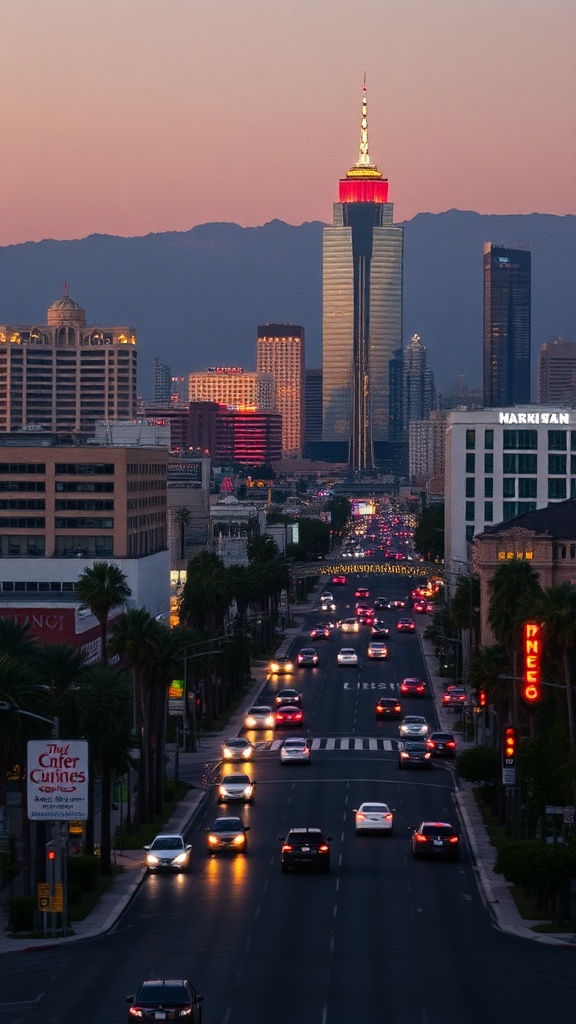
Streets across the region are being rethought to serve more than just cars.
Expect to see:
– Protected bike lanes and widened sidewalks that increase safety for cyclists and pedestrians.
– Transit priority signals and bus-only lanes that speed up bus travel and improve reliability.
– More pop-up events and open-streets weekends, where roads are temporarily reserved for people, not vehicles, encouraging walking and local commerce.
Sustainability and technology
Electrification and cleaner fuels are part of the shift, with bus fleets moving toward electric vehicles and transit agencies adopting cleaner operations. Technology plays a role too: contactless payment systems, integrated mobility apps, and improved real-time data make multi-step journeys more convenient.
What this means for residents and visitors
– Lower transportation costs: Using transit and micro-mobility for daily trips can reduce fuel, parking, and maintenance expenses.
– Better health and quality of life: More walking and cycling options encourage physical activity and create safer neighborhood streets.
– Enhanced accessibility: Transit-oriented development is bringing housing, jobs, and services closer to reliable transit hubs.
Tips for newcomers
Carry a reloadable transit card or set up mobile payment, download a reliable route-planning app, and keep a small lock or helmet for bike or scooter trips. If you’re exploring tourist areas, look for pedestrian-friendly routes and transit connections to avoid parking headaches.
Los Angeles is becoming more flexible and navigable. With smarter streets, expanded transit, and a thriving micro-mobility scene, getting around is less about traffic and more about choice — offering a better fit for daily commuters, casual visitors, and anyone looking to rediscover the city without the stress of driving.
