How Los Angeles Is Cooling Down

How Los Angeles Is Cooling Down: Urban Heat Solutions That Work
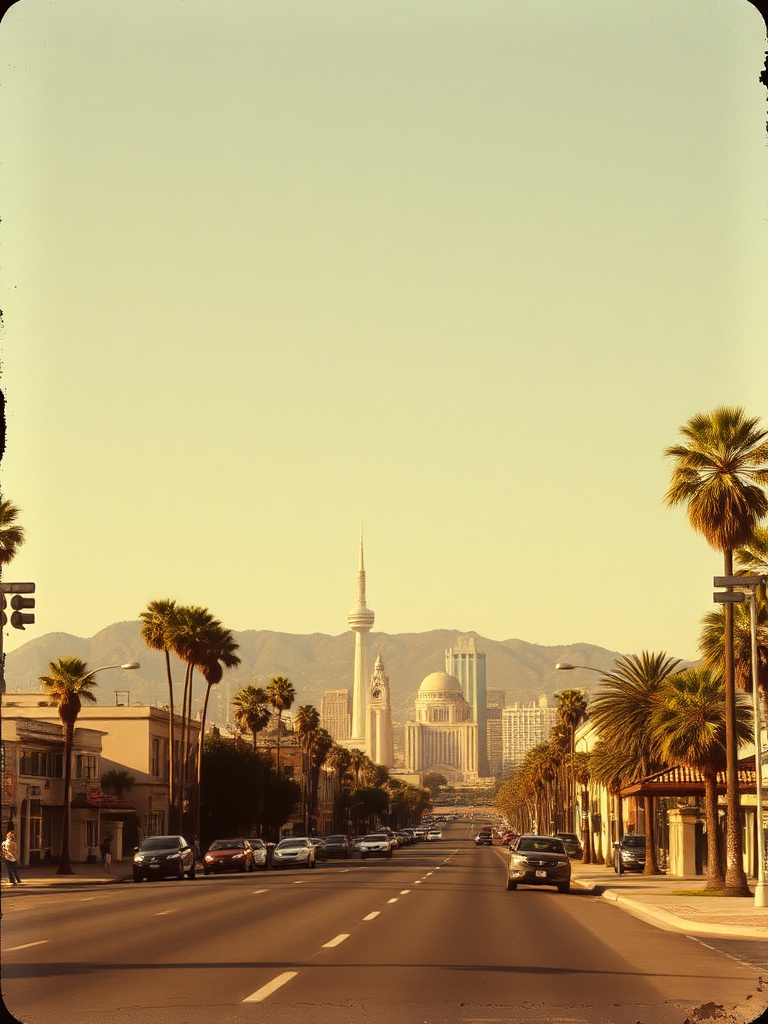
Los Angeles faces heat differently than other cities. Stretching from coastal neighborhoods to inland valleys, the region experiences intense urban heat island effects that raise temperatures, strain energy grids, and impact public health.
Fortunately, a mix of smart policy, community action, and practical home upgrades is helping the city cool down and become more resilient.
Why urban heat matters in LA
Concrete, asphalt, and sparse tree cover trap and radiate heat, making some neighborhoods significantly hotter than surrounding areas. Higher nighttime temperatures prevent recovery from daytime heat, increasing health risks—especially for seniors, young children, and outdoor workers.
Cooling strategies improve comfort, lower electricity bills, and reduce greenhouse gas emissions by cutting air-conditioning demand.
Practical strategies reducing heat now
– Tree canopy and urban greening: Strategic tree planting and expanding green spaces create shade, reduce surface temperatures, and improve air quality. Shade canopies over sidewalks and transit stops make walking and waiting for buses noticeably more comfortable.
– Cool roofs and reflective surfaces: Light-colored or reflective roofing materials and cool roof coatings reflect sunlight, lowering building temperatures. Cities are encouraging these options through incentives and building codes to cut cooling costs.
– Green alleys and permeable pavement: Replacing dark pavement with lighter, permeable materials and adding planting strips reduces runoff, improves groundwater recharge, and decreases surface temperatures in dense neighborhoods.
– Water-wise landscaping: Native and drought-tolerant plants reduce irrigation needs while still providing cooling benefits. Xeriscaping combined with mulch and drip irrigation keeps soil moist and cuts heat stress on plants.
– Passive design and building retrofits: Installing shading devices, improving insulation, sealing air leaks, and upgrading windows reduces the reliance on air conditioning. Natural ventilation and strategic shading can dramatically enhance indoor comfort without high energy use.
– Community cooling centers and outreach: Local cooling centers, hydration stations, and public outreach help vulnerable residents during heat waves. Neighborhood organizations often coordinate volunteer check-ins and transportation for those who need it most.
What Angelenos can do at home
– Plant shade trees where they’ll block afternoon sun on west-facing walls and roofs.
– Switch to cool roof materials or paint existing roofs with reflective coatings.
– Replace non-native grass with native, drought-tolerant landscaping and install drip irrigation on a timer.
– Use window films, awnings, or exterior shades to reduce indoor heat gain.
– Consider smart thermostats and energy-efficient appliances to keep cooling costs down.
Business and policy actions that scale impact
Businesses can adopt cool pavement for parking lots, incentivize employees to telecommute during extreme heat, and invest in rooftop greening.
Policymakers can expand incentives for cool roofs, increase funding for urban tree programs, and prioritize cooling strategies in vulnerable neighborhoods that experience the worst heat impacts.
A cooler, healthier LA is achievable when policy, private investment, and everyday choices align.
Small changes at the property level add up when combined with citywide planning: more trees, reflective surfaces, greener alleys, and water-smart landscaping create visible impact. Start with one practical upgrade—plant a tree, coat a roof, or update irrigation—and help make the city a little cooler for everyone.
