From Explosive Offense to Deep Playoff Runs: How the Los Angeles Chargers Can Build Lasting Success

How the Los Angeles Chargers Can Turn Offensive Firepower into Lasting Success
The Chargers carry one of the most exciting offensive profiles in the league: a franchise quarterback with rare arm talent, a deep market that attracts free agents, and a home stadium that ignites big-game energy.
Turning that potential into consistent postseason success depends less on splash plays and more on structure — roster balance, scheme flexibility, and elite execution in critical moments.
Protect the quarterback to unlock everything else
Elite QB play is the engine, but it only runs when the offensive line holds. Investing in pass protection — through smart free-agent signings, internal development, and creative schemes — is essential. Quick-release concepts, max-protection on early downs, and rollouts that get the QB moving without sacrificing the playbook’s complexity are all ways to mitigate pressure. Depth on the offensive line is equally critical; injuries are inevitable, and having plug-and-play options keeps the offense from stalling.
Expand the short-game and yards-after-catch (YAC) attack
A deep-throwing QB creates big plays, but consistent weekly success often comes from mastering the short and intermediate passing game.
Incorporating more quick-game concepts, screens, and RPOs can maintain offensive tempo and keep defenses off-balance. Targeting players who excel after the catch boosts third-down conversion and red-zone efficiency — two factors that swing close games.
Make the run game purposeful, not ornamental
A complementary running attack opens play-action lanes and helps control the clock. The goal isn’t necessarily elite rushing yardage every week; it’s sustaining drives and giving the offense multiple threat looks. Using motion, varied run schemes, and personnel groupings that force defensive adjustments keeps the offense unpredictable.
Turn analytics into easy choices for coaches
Modern teams win when analytics are applied to reduce variance and simplify decision-making for on-field personnel.
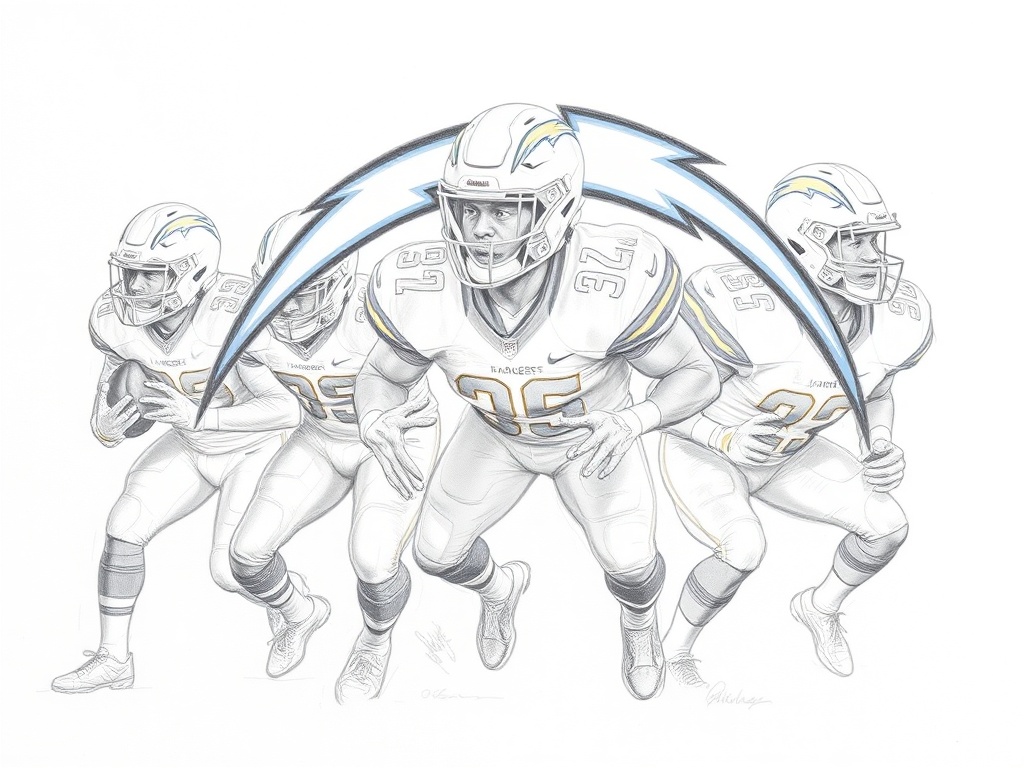
Clear tendencies on fourth-down, two-point attempts, and clock management should cascade from the analytics room to the headset, empowering coaches to make confident calls. The right balance between aggressive and calculated play-calling helps in tight playoff environments.
Build a defense that creates short fields
Offense gets headlines, but a unit that can generate turnovers and third-down stops flips field position and shortens the game. Investing in playmakers who can rush the passer and cover in space — especially versatile defenders who can handle multiple fronts — complements an explosive offense. Special teams that pin opponents deep and flip field position further multiply the offense’s opportunities.
Health, recovery, and modern preparation
Injury prevention and load management are often overlooked competitive edges.
Emphasizing recovery science, individualized conditioning, and smart practice planning reduces wear-and-tear over the long season.
When key contributors stay available late in the campaign, the team’s margin for error grows.
Leverage the LA market and SoFi Stadium
Los Angeles is an advantage beyond ticket sales. A compelling stadium experience and a media market that elevates national narratives make the franchise attractive to veteran free agents and younger talent.
Smart community engagement and consistent winning culture turn the market into a recruiting tool.
Fan expectations are high, and patience is limited. For the Chargers to translate offensive fireworks into deep playoff runs, the franchise must align smart roster construction, situational coaching, and injury resilience. When those elements sync, the Bolts can maximize their most valuable asset — a transcendent quarterback — and build a team that not only thrills but wins when it matters most.
