Downtown Los Angeles Reimagined: A Guide to Its 24-Hour Culture, Housing and Transit Transformation

Downtown Los Angeles is reshaping itself into a livable, 24-hour neighborhood where culture, housing and transit intersect. Long known for its towering office skyline, the area has been evolving into a mixed-use hub that attracts residents, entrepreneurs and visitors looking for more than a nine-to-five downtown.
What’s driving the change
A shift away from single-purpose office districts has opened opportunities for adaptive reuse: historic bank buildings, department stores and office towers are being converted into apartments, creative offices and hotels. That transformation has brought a wave of independent cafes, food halls, galleries and performance venues that give downtown a stronger street-level vibrancy. At the same time, public and private investment in parks, plazas and river-adjacent trails is forging more inviting connections between neighborhoods.
Getting around smarter
Improved transit links and new micro-mobility options make it easier to explore downtown without a car. Light rail and subway connections now knit together major neighborhoods, while expanding protected bike lanes and e-scooter services offer short-trip flexibility. For visitors and residents alike, mixing transit with walking or biking is often faster and more predictable than driving and parking.
Culture and nightlife
Arts hubs like the historic theater corridor, the Arts District and Little Tokyo continue to anchor downtown’s cultural life. Boutique galleries and pop-up shows sit alongside long-established institutions, while seasonal night markets and block parties showcase food, music and makers. A growing roster of small venues supports local artists and provides an alternative to big-ticket commercial programming.
Housing and affordability
With more housing options available, downtown appeals to a wide range of residents—from young professionals to empty-nesters seeking urban convenience. Affordability remains a challenge in Los Angeles as a whole, but mixed-income developments and targeted housing programs are part of ongoing efforts to diversify who can live and work downtown. Prospective renters and buyers should monitor local listings, neighborhood amenities and transit access when weighing choices.
Sustainability and public space
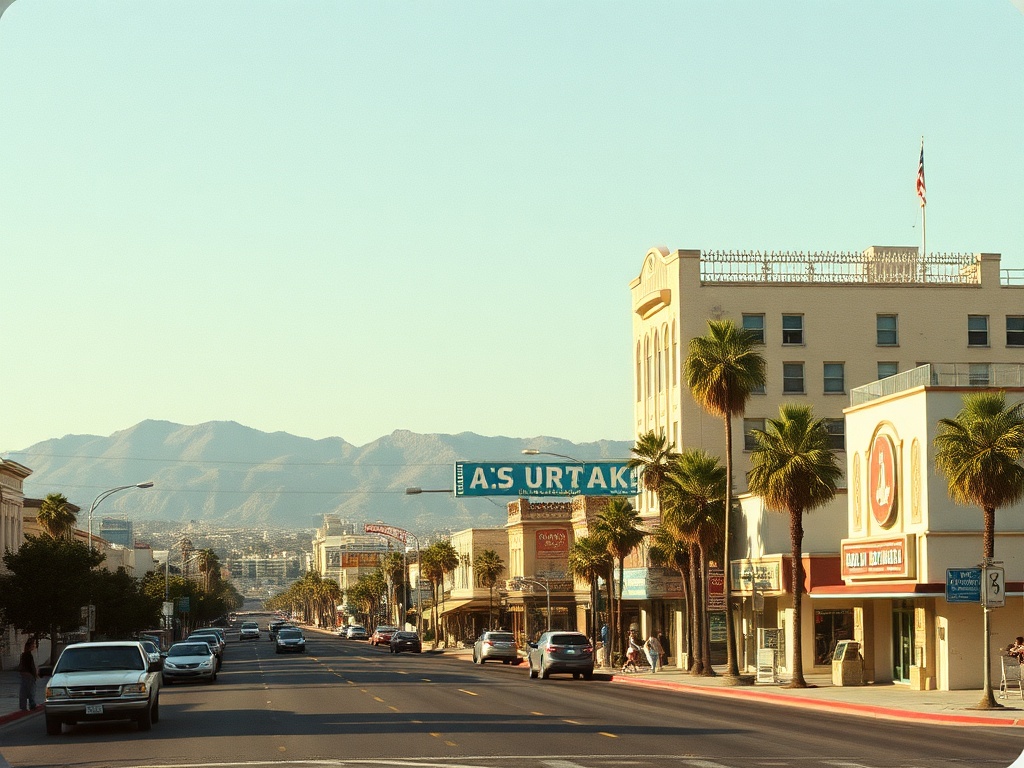
Green initiatives are shaping the urban fabric: greener streetscapes, drought-tolerant landscaping, expanded tree canopy projects and incentives for energy-efficient retrofits are part of a larger push toward resilience. River restoration and activation efforts have also changed how people perceive formerly industrial edges, turning them into recreational corridors and wildlife-friendly zones.
Practical tips for exploring downtown LA
– Take transit to avoid parking hassle—major stations are walkable to many attractions.
– Explore neighborhoods on foot or by bike; stick to well-lit streets and established paths at night.
– Enjoy weekday daytime hours for museum visits and weekend evenings for food halls and live music.
– Support local businesses—neighborhood restaurants, coffee shops and markets reflect downtown’s evolving identity.
– Check event calendars for pop-ups, gallery openings and outdoor markets that give a real sense of the local scene.
Why it matters
Downtown Los Angeles is no longer just a center of commerce. It’s becoming a layered urban neighborhood that balances cultural institutions, residential life and active public spaces.
Whether you’re considering a move, planning a visit, or simply curious about the city’s direction, downtown’s pivot offers a clear example of how cities can be reimagined to better serve people, not just businesses. Explore with curiosity, give local spots a try, and experience the parts of downtown that feel like they’ve been waiting to be rediscovered.
