Navigating Los Angeles Microclimates

Navigating Los Angeles Microclimates: What to Wear, Where to Go, and How to Plan Your Day
Los Angeles is famous for its sunshine, but the city’s weather is anything but uniform.
A few miles can mean a ten-degree shift, coastal fog can linger into the afternoon, and mountain valleys can feel like a different world.
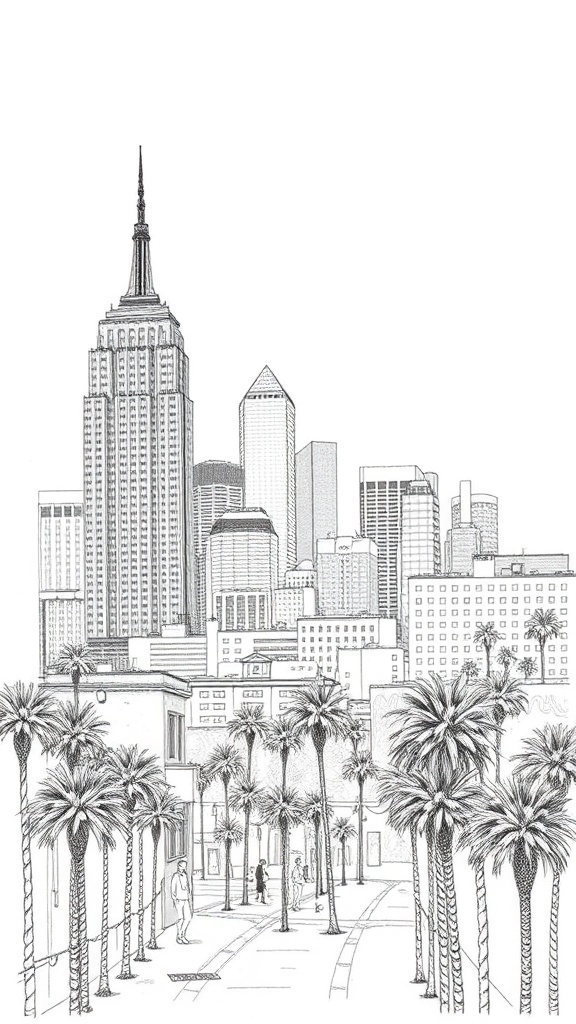
Understanding LA’s microclimates helps you choose the right clothes, pick the best neighborhoods for your plans, and avoid surprises that can turn a perfect day into an uncomfortable one.
What creates LA’s microclimates
Topography drives the differences: ocean breezes cool the coast, while hills and valleys trap heat inland. Maritime layer (coastal fog) often hangs over beach neighborhoods in the morning, clearing later into pleasant sunshine. Inland areas and the San Fernando and San Gabriel valleys commonly stay warmer and drier.
Higher elevations in the nearby mountains are cooler and can offer a quick escape to pine-scented air.
Dressing smart: layers and fabrics
Layering is the simplest way to handle LA’s shifting conditions.
Start with a breathable base (cotton or moisture-wicking blends) and add a lightweight jacket or hoodie that’s easy to carry. On foggy mornings by the beach, you’ll appreciate a windbreaker; inland afternoons may call for shorts and a T-shirt. For active outings—hiking in nearby canyons or biking along the beach—choose quick-drying materials and a hat for sun protection. Don’t forget sunglasses and sunscreen: even when it feels cool, UV exposure can be significant.
Where to go based on weather
– Coastal escapes: If the marine layer is thin, places like Santa Monica and Venice offer breezy boardwalks and mild temperatures. Mornings can be cool, so plan for a later beach walk after the sun warms up.
– Trendy, walkable neighborhoods: West Hollywood and Silver Lake tend to share mild, comfortable conditions—great for café hopping and street markets.
– Inland heat: For shopping centers and outdoor dining when the coast is chilly, check out Pasadena or the Valley, where days are often sunnier and warmer.
– Mountain retreats: When you want cooler air and trails, head to higher elevations where temperatures drop and shade is abundant.
Plan your transit with microclimates in mind
Transit can influence how you experience the weather.
Waiting at a bus stop on a hot inland afternoon is different from a breezy, shaded Metro station downtown. If you’re biking, morning coastal fog can make roads slick—choose a later start after visibility improves. Rideshares and driving let you adjust quickly between microclimates, but parking and traffic can add time, so factor that into outdoor plans.
Health and safety considerations
Air quality can vary with weather patterns and nearby wildfires.
Check local air quality indexes before strenuous outdoor activities, especially in canyons and valleys where pollutants may concentrate.
Stay hydrated and avoid peak sun hours for intense exercise. For beach days, be mindful of ocean conditions and posted advisories.
Final practical tips
– Keep a compact layer stashed in your bag or car.
– Check a microclimate-aware weather app for hourly updates by neighborhood.
– Time outdoor activities for late morning or late afternoon to avoid early fog and midday heat spikes.
– Embrace the variety—LA’s microclimates let you chase cool ocean air in the morning and golden sunsets inland in the evening.
With a little planning and flexible clothing choices, you can make the most of Los Angeles’ diverse neighborhoods and outdoor offerings no matter where the weather leads.
