Los Angeles Urban Greening: Water-Smart, Heat-Resilient Strategies for Cooler Neighborhoods

Los Angeles is redefining what an urban landscape can be by blending climate resilience, community spaces, and biodiversity into everyday neighborhoods. With longer dry spells and more intense heat events shaping daily life, residents and planners are turning to urban greening strategies that cut water use, cool streets, and make neighborhoods healthier and more liveable.
Why urban greening matters in Los Angeles
Beyond the obvious aesthetic lift, green infrastructure addresses several pressing challenges at once. Trees and vegetation reduce urban heat island effects, improving comfort and cutting energy use for cooling. Permeable surfaces and bioswales help capture stormwater and recharge groundwater rather than sending runoff into drains.
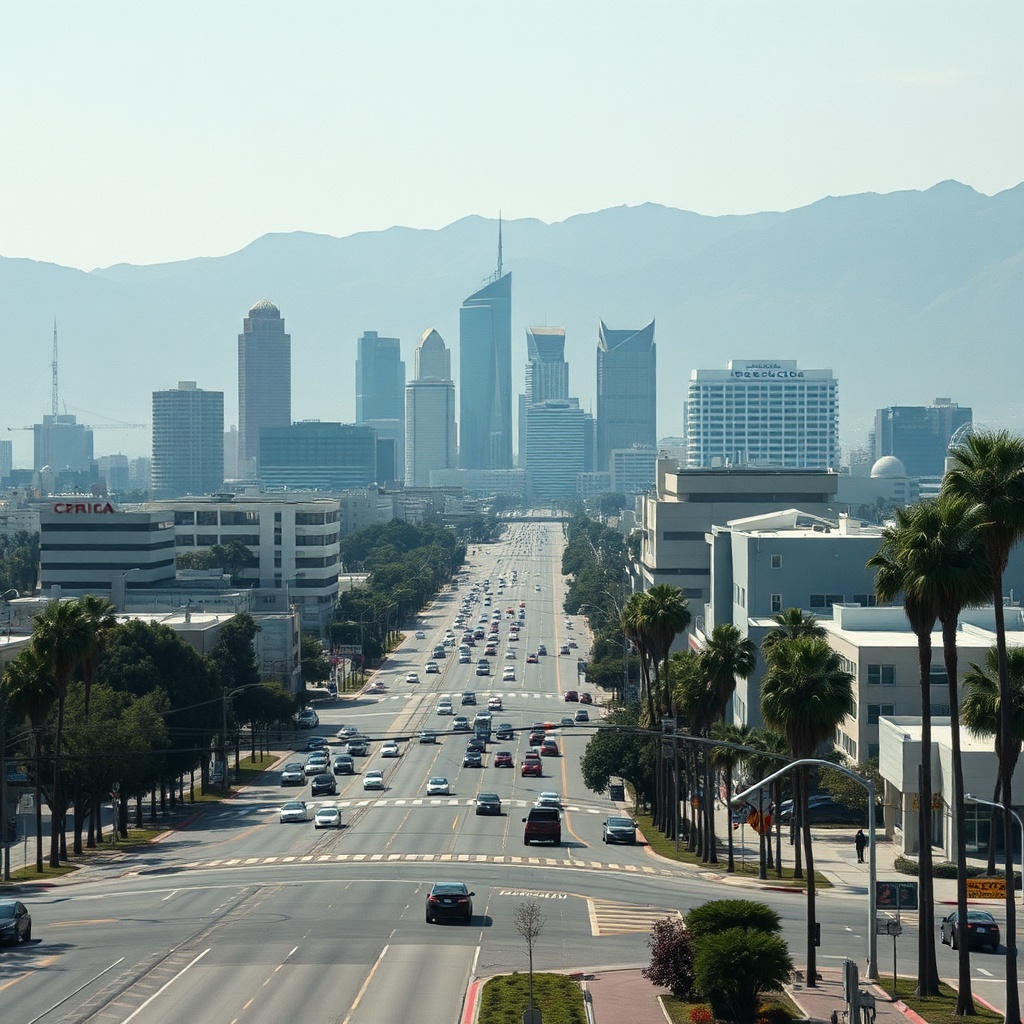
Native plantings support pollinators and local wildlife, boosting biodiversity in a highly urbanized region. Green spaces also support mental and physical health, offering places to exercise, socialize, and unwind.
Practical approaches residents can adopt
Small changes at the yard or block level add up quickly. Consider these actionable tactics:
– Replace thirsty turf with drought-tolerant or native plantings. This reduces outdoor water demand and often qualifies for local rebate programs.
– Use mulch and soil amendments to improve moisture retention and reduce evaporation.
– Install efficient drip irrigation and smart controllers that adjust watering based on weather.
– Plant shade trees strategically to lower cooling costs—focused placement near west- and south-facing walls has the biggest impact.
– Capture rainwater where allowed: cisterns, rain barrels, and simple catchment systems can supply garden needs during dry spells.
– Convert hardscape into permeable surfaces with gravel, pavers, or permeable concrete to reduce runoff.
– Add pocket parks, green roofs, or living walls in tight spaces to expand green area without sacrificing usable ground space.
Native and climate-adapted plants that thrive
Choosing plants adapted to Southern California’s climate reduces maintenance and conserves water.
Native sages, manzanitas, ceanothus, and poppies offer color and habitat value. Drought-tolerant Mediterranean species like California lilac, toyon, and various sages and sages’ relatives provide long-term structure with minimal irrigation once established.
Group plants by water needs in hydrozones to maximize irrigation efficiency.
Community and policy levers
Neighborhood initiatives—community gardens, tree-planting drives, and block-by-block rain gardens—are powerful ways to scale benefits while strengthening civic ties. Local incentives and rebate programs often help offset upfront costs for turf removal, efficient irrigation, and rainwater capture. When planning larger interventions, check local guidelines for permits on water storage or major tree work, and coordinate with neighborhood councils or homeowner associations.
Design for longevity and equity
Effective greening combines technical know-how with community priorities. Prioritize shaded pedestrian routes, safe seating, lighting, and accessible plantings so benefits reach residents of all ages and abilities. Maintenance plans, resident education, and stewardship models keep projects healthy over time.
Getting started
Begin with a simple site assessment: observe sun, shade, prevailing winds, and soil conditions. Prioritize water-wise conversions, add a tree where it will yield maximum shade, and choose low-maintenance natives. Connect with local nurseries, community groups, or landscape professionals experienced in Southern California ecosystems to design a plan that fits your space and budget.
Los Angeles’ landscape is shifting toward resilience through thoughtful design and community action. Whether you’re a homeowner, renter, or community leader, small green choices can make neighborhoods cooler, cleaner, and more vibrant for everyone.
