Los Angeles River Revitalization: Trails, Parks, and Ecology Reconnect the City

Los Angeles River revitalization is reshaping the city’s relationship with its waterways, turning concrete channels into parks, trails, and community hubs that connect neighborhoods and restore ecosystems.
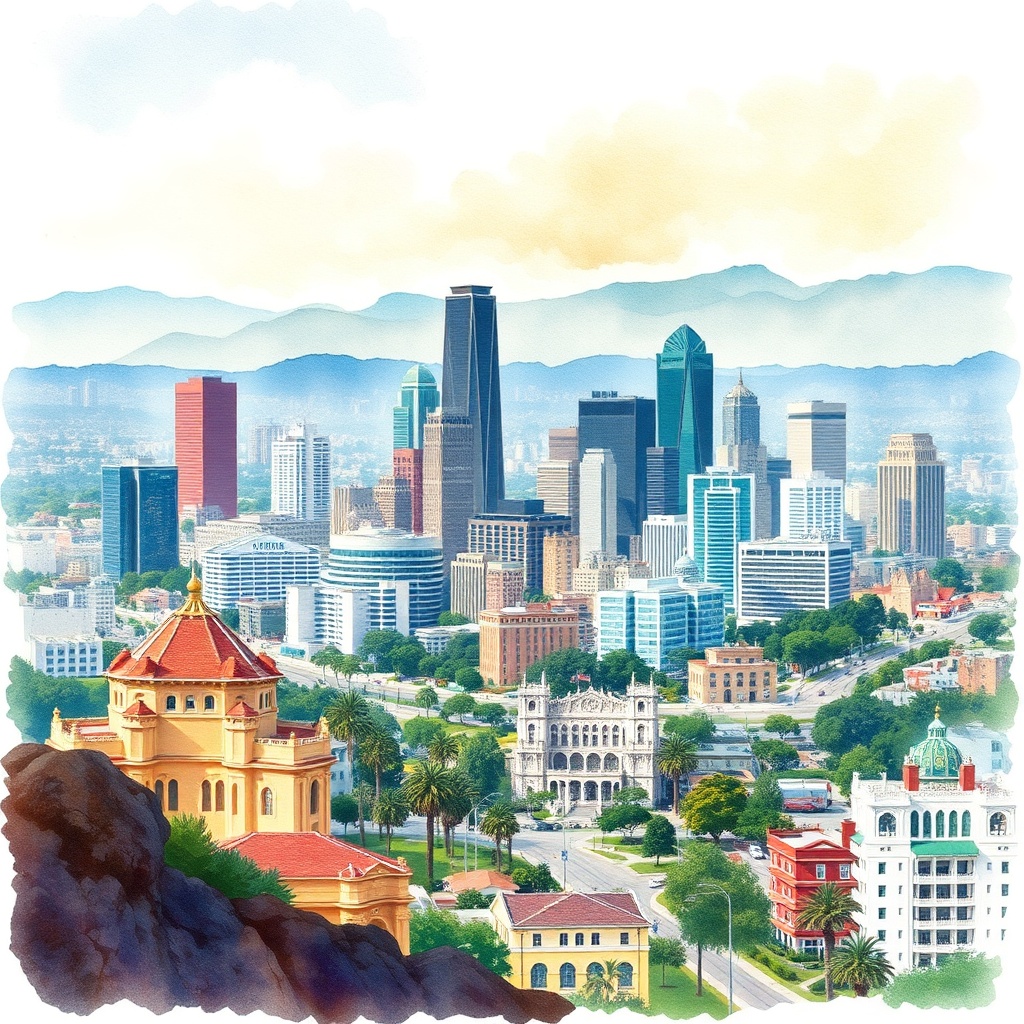
What started as a flood-control channel is becoming a living corridor where nature, recreation, and culture intersect.
At the heart of the transformation are multi-use trails and linear parks that make active transportation more attractive. Cyclists, runners, and walkers now find longer, safer stretches of continuous path linking downtown neighborhoods to the valley and coastal connections. These trails connect with transit nodes and bike-share programs, making it easier to commute without a car and encouraging visitors to explore beyond the usual tourist routes.
Ecological restoration is a major focus. Native plantings along restored banks help support bird migration and local wildlife, while engineered wetlands improve water quality and provide habitat. Stormwater management projects incorporated into the river corridor reduce runoff and help recharge groundwater. Restoration efforts also prioritize flood resilience—using natural features and green infrastructure to slow and absorb storm flows while maintaining public access.
Community engagement has been essential to the river’s rebirth. Neighborhood groups, artists, and local businesses collaborate on cultural programming, murals, and temporary activations that reflect the area’s diverse histories.
Public art installations celebrate local stories and create destinations that invite people to linger. Community gardens and educational programming engage schools and volunteers, building stewardship and local ownership of public space.
Economic and social impacts are visible as formerly industrial stretches become destinations. Small businesses—cafés, bike shops, galleries—are clustering along revitalized sections, creating jobs and neighborhood amenities. City planners and community advocates work to balance development with affordability, seeking strategies to protect long-time residents from displacement as neighborhood desirability increases.
Design approaches along the river blend recreation with safety and accessibility.
Bridges and wayfinding improve connectivity across neighborhoods, while ADA-compliant paths ensure access for people of all abilities. Night lighting, clear sightlines, and thoughtful landscaping enhance safety without compromising ecological values. Programming—from farmers markets to kayak tours—helps maintain consistent, positive use of public spaces.
Visitors and residents alike are finding new ways to experience Los Angeles through the river. Family-friendly picnic areas and playgrounds invite relaxation, while guided walks and volunteer habitat-restoration days provide meaningful ways to engage.
For active explorers, multi-mile routes offer uninterrupted riding or running through varied urban landscapes. Photographers and birdwatchers are drawn to the surprising pockets of nature tucked into the city grid.
Opportunities remain to expand connectivity and complete missing links.
Advocacy groups continue to push for more continuous trail segments, improved transit access, and policies that prioritize community benefits in development. Collaborative planning among municipalities, non-profits, and community leaders is moving projects forward while addressing complex funding and environmental challenges.
Whether you’re looking for recreation, a chance to learn about urban ecology, or a new way to commute, the revitalized river corridor offers a different perspective on Los Angeles—one that blends city life with green space, cultural expression, and resilient design.
Explore a stretch of the river on foot, by bike, or at a community event to see how public space can transform neighborhoods and bring people together.
