Los Angeles Real Estate Market Guide: Neighborhoods to Watch & Strategies for Buyers, Sellers & Investors

Los Angeles real estate remains one of the most dynamic and closely watched markets in the country.
High demand, constrained supply, and shifting lifestyle preferences are shaping opportunities for buyers, sellers, and investors across neighborhoods from the hills to the coast.
Market snapshot
The LA housing market shows a mix of resilience and transformation.
Luxury properties and in-demand neighborhoods still command premium prices, while affordability pressures push many residents toward mid-city and outer neighborhoods. Rental demand remains strong as young professionals and creative workers prioritize location, commute, and lifestyle amenities over ownership.
Elevated borrowing costs continue to affect buying power, prompting many to consider alternative routes into homeownership.
Key demand drivers
– Remote and hybrid work: Flexible work arrangements have changed neighborhood preferences.
Buyers often prioritize space for home offices and easier access to outdoor recreation rather than proximity to downtown offices alone.
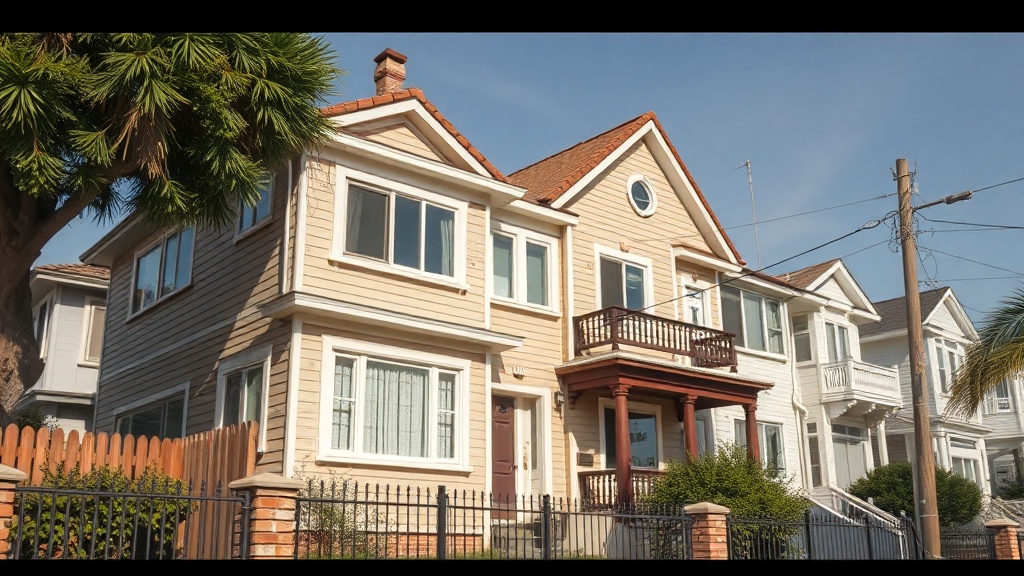
– Limited supply: Zoning limitations and slow permitting keep inventory tight in many desirable areas, contributing to competition for well-priced listings.
– Lifestyle and amenities: Walkability, bike infrastructure, coffee shops, and local dining remain major pull factors—areas that blend convenience with character see sustained interest.
– Climate and insurance considerations: Wildfire risk, flood zones, and insurance costs are increasingly factored into buying decisions, especially for properties near canyons and the wildland-urban interface.
Neighborhoods to watch
– Central LA pockets are attractive for buyers seeking culture and transit access.
Transit-oriented projects around growing rail and bus lines are drawing attention.
– Coastal communities command lifestyle premiums but also face stronger climate and regulatory scrutiny.
Buyers focused on long-term value weigh proximity to the ocean against insurance and maintenance costs.
– Emerging Eastside and South LA neighborhoods offer relative affordability and development momentum as new retail, dining, and creative spaces appear.
– Established Westside enclaves continue to perform well for investors seeking stability and strong resale value.
Opportunities for buyers
– Consider accessory dwelling units (ADUs) and duplexes to increase rental income and offset financing costs; many homeowners are adding units to maximize property value and flexibility.
– Prioritize inspections that include wildfire hardening, roof integrity, and drainage assessments—resilience upgrades can protect value and reduce insurance headaches.
– Look beyond headline prices to total cost of ownership, factoring in property taxes, insurance, HOA fees, and maintenance in your affordability calculations.
Seller strategies
– Stage properties to highlight flexible living spaces, outdoor areas, and home office setups—these features resonate with current buyer priorities.
– Price competitively and market across multiple channels; well-priced homes in desirable micro-markets still attract multiple offers.
– Invest selectively in curb appeal and energy-efficient upgrades that can justify a higher asking price while appealing to eco-conscious buyers.
Investor considerations
– Short-term rental regulations and neighborhood rules vary, so verify local ordinances before converting a property to vacation rentals.
– Long-term rentals remain a reliable play in high-demand neighborhoods where annual appreciation and steady income align.
Outlook and planning
Los Angeles real estate will continue to be shaped by supply constraints, lifestyle shifts, and climate-related considerations. For anyone entering the market, a neighborhood-focused strategy, careful due diligence, and an eye toward resilience and long-term value help navigate the city’s competitive landscape.
