Los Angeles Real Estate Guide: Trends, ADUs, Transit & Resilience for Buyers, Sellers & Investors

Los Angeles real estate remains one of the most dynamic and complex markets in the country, shaped by lifestyle trends, shifting work patterns, and ongoing policy and infrastructure changes. Whether you’re a buyer, seller, investor, or renter, understanding the forces at play will help you make smarter decisions and protect long-term value.
Market dynamics and buyer priorities
Inventory is tight in many desirable pockets of the region, driving competition for well-priced, move-in-ready homes.
Buyers are placing a premium on flexibility: homes with dedicated workspaces, indoor-outdoor living areas, and outdoor privacy rank high. Proximity to transit corridors and walkable retail corridors also attracts buyers who want to reduce commute times while enjoying urban amenities.
The luxury and prestige segments react differently—privacy, bespoke amenities, and security often matter more than commute times. Buyers in these tiers are also attracted to properties that offer turnkey living, high-end outdoor spaces, and smart-home integration.
Rentals and regulations
Renter demand remains strong in neighborhoods with easy access to jobs, culture, and nightlife. Landlords should be aware that local regulations require careful compliance: registration, permitted short-term rental rules, and tenant protection measures all influence what’s viable for investment properties. Long-term rentals tend to deliver steadier returns, while short-term rentals require rigorous management and adherence to municipal restrictions.
Accessory dwelling units (ADUs) and redevelopment
ADUs continue to be a major lever for owners looking to add value, generate rental income, or accommodate multigenerational living. Streamlined permitting has made ADUs more accessible in many areas, but successful projects still hinge on thoughtful design, cost control, and neighborhood compatibility.
Elsewhere, underused commercial spaces are increasingly considered for conversion to residential units as work patterns evolve.
Developers and investors are evaluating feasibility based on zoning, community support, and proximity to transit.
Resilience, insurance, and sustainability
Environmental risks influence purchasing decisions. Fire risk mitigation, drought-conscious landscaping, and energy upgrades are not just aesthetic choices—they affect insurability and resale appeal. Buyers should prioritize properties with defensible space plans, hardscaping where appropriate, and modern electrical systems that support electrification and solar.
For sellers, investing in energy-efficient upgrades and visible resilience features can make listings stand out and reduce buyer objections during escrow.
Neighborhoods and transit
Neighborhood preferences vary widely across the region. Coastal areas attract buyers seeking lifestyle amenities and walkability, while inland communities often offer more square footage and price per dollar value. Transit-oriented development remains important; properties near expanding rail and bus corridors often benefit from increased demand and long-term appreciation.
Financing and negotiation strategies
Mortgage conditions and lending standards influence affordability and buying strategies. Buyers may find advantage in getting pre-approved, preparing a clean inspection contingency, or offering flexible closing timelines. Sellers can increase buyer confidence by completing pre-listing inspections, addressing minor repairs, and presenting thorough documentation for recent upgrades.
Practical tips for participants
– Buyers: Prioritize inspections for wildfire and seismic risk mitigation. Consider long-term carrying costs, including insurance and HOA assessments.
– Sellers: Stage outdoor spaces and invest in curb appeal to highlight Southern California living. Provide a neighborhood factsheet to prospective buyers.
– Investors: Screen local rental regulations carefully and model conservative cash flow scenarios. Explore ADU potential for added income.
– Renters: Get clarity on lease terms related to utilities, maintenance responsibilities, and short-term subletting restrictions.
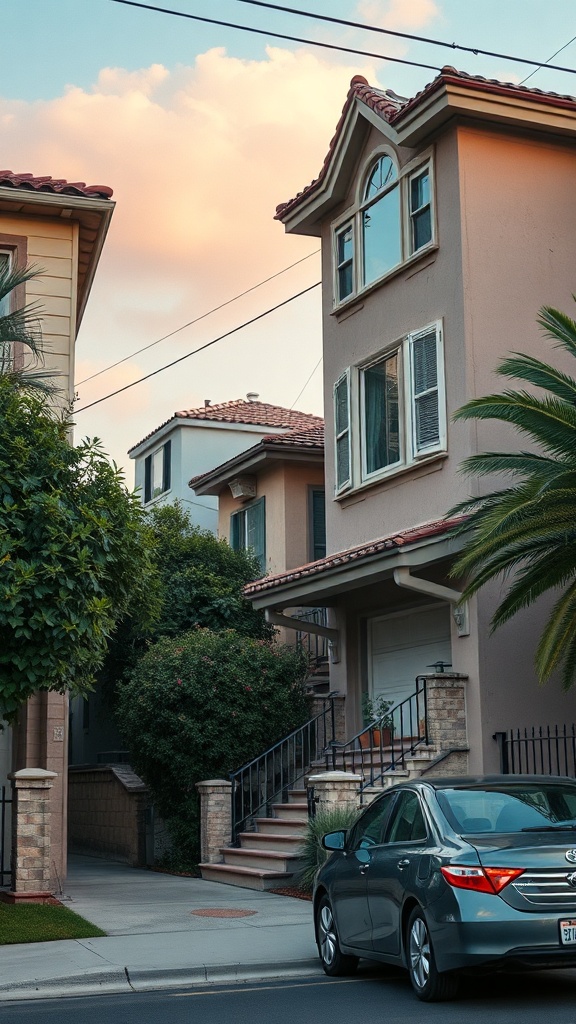
Navigating the Los Angeles market requires local knowledge, timing, and a focus on durability and lifestyle fit.
Working with professionals familiar with neighborhood nuances and regulatory landscapes helps protect investments and uncover opportunities aligned with your goals.
