Los Angeles Local-First Playbook: How Neighborhood Businesses Use Hyperlocal SEO, Experiential Retail & Last-Mile Innovation

Los Angeles businesses are balancing big-city scale with neighborhood-level intimacy.
From boutique shops on side streets to creative studios in adaptive reuse buildings, local companies are blending digital-first strategies with on-the-ground experiences to connect with diverse communities and stay competitive.
Why local-first matters
Los Angeles is a mosaic of neighborhoods and cultures. Customers search for nearby solutions, expect immediate convenience, and respond to brands that reflect local tastes. That combination makes local-first marketing — thinking hyperlocal SEO, neighborhood events, and partnerships with nearby businesses — a strong growth lever.
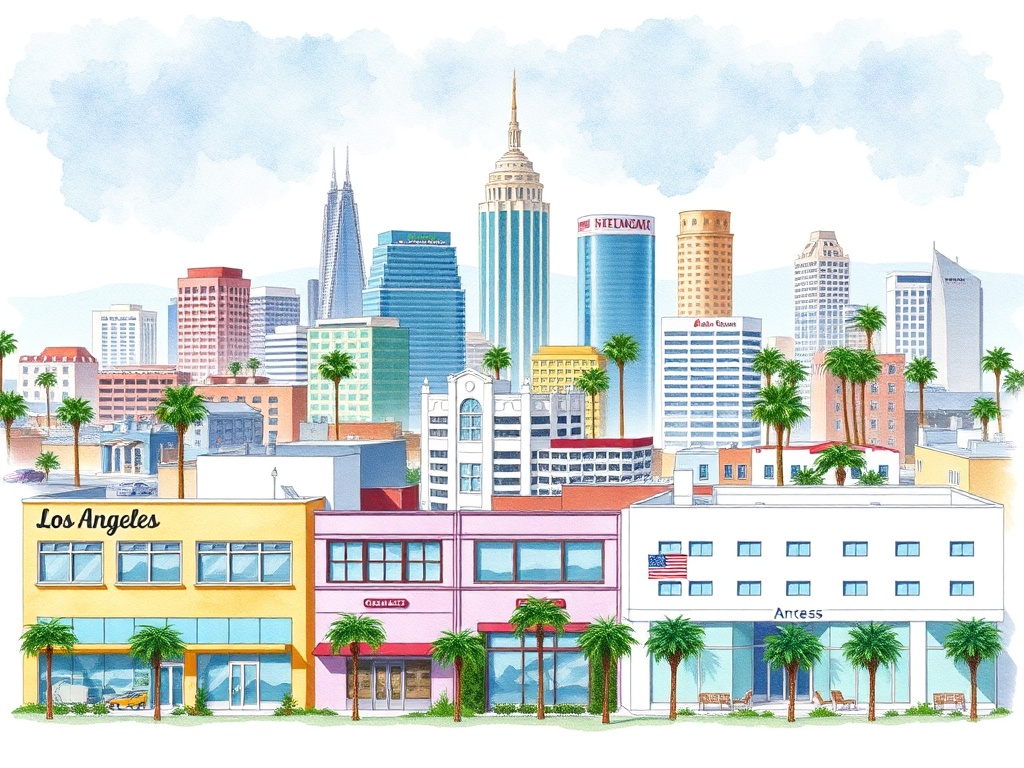
Key trends shaping LA commerce
– Experiential retail: Brick-and-mortar stores are becoming places for discovery, education, and events rather than just transactions. Workshops, limited-time collaborations, and immersive displays convert foot traffic into loyal customers.
– Ghost kitchens and hybrid hospitality: Food businesses leverage shared kitchen space and strong delivery networks to launch concepts with lower overhead, while restaurants add pickup lanes and merch to diversify revenue.
– Last-mile innovation: Micro-fulfillment centers, curbside pickup, and electric cargo bikes help merchants meet demand for fast delivery in a dense, traffic-congested city.
– Sustainability and transparency: Customers reward businesses that show action on waste reduction, renewable energy, and ethical sourcing. Small visible steps — composting, refill stations, or clear ingredient sourcing — build trust.
– Multilingual outreach: Spanish, Korean, Chinese, Tagalog, and more are spoken across the metro area.
Effective marketing includes multilingual listings, targeted ads, and culturally relevant content.
Practical tactics for growth
Optimize local search
– Claim and fully populate your Google Business Profile, Yelp, and other local directories. Consistent NAP (name, address, phone) is essential.
– Use neighborhood-based keywords and “near me” phrases in page titles, meta descriptions, and service pages.
– Add structured data (schema) for local business, opening hours, and reviews to boost visibility in search features.
Lean into social video and creators
– Short-form video performs well for product demos, behind-the-scenes, and event promotion. Post regularly to Instagram Reels, TikTok, and YouTube Shorts.
– Partner with local creators who have strong neighborhood followings for authentic reach and immediate foot traffic.
Make the storefront an experience
– Host ticketed workshops, pop-up collaborations, or live demos that create urgency and social shares.
– Design visible curb appeal and clear signage; a memorable window or mural can turn passersby into customers.
Streamline fulfillment
– Offer clear pickup windows, contactless options, and accurate ETA communication. Use local delivery partners and test electric cargo or bike couriers in dense neighborhoods.
– Consider a reserved inventory pool for pickup to prevent stockouts and speed fulfillment.
Build community ties
– Sponsor neighborhood events, join local business improvement districts, or collaborate with nearby shops for co-marketing.
– Solicit feedback via local channels and act on it publicly — it strengthens loyalty and fuels word-of-mouth.
Measure what matters
Track local foot traffic, repeat customers, average order value, and online-to-offline conversion rates.
Combine digital analytics with simple in-store feedback to understand what drives visits and sales.
Los Angeles is a place where cultural creativity meets commerce. Businesses that marry local relevance with solid digital systems — clear listings, engaging social content, frictionless fulfillment, and community partnerships — position themselves to capture attention and build lasting customer relationships. Small adjustments focused on neighborhood needs often deliver outsized returns.
