Los Angeles Car-Free Guide: Transit, Bikes and Walkable Neighborhoods for Locals and Visitors

Los Angeles is changing the way people move, live, and explore the city. Transit-focused investment, expanded bike infrastructure, and surging interest in walkable neighborhoods are making it easier to leave the car behind — whether you’re a local or visiting for the weekend.
What’s driving the shift
Several major transit projects and policy shifts are reshaping connectivity across neighborhoods.
Subway and light-rail extensions are bringing frequent rail service closer to dense job centers and beachside communities, while surface improvements and bus-priority corridors speed trips along key east‑west and north‑south arteries. At the same time, neighborhood planners and developers are emphasizing transit-oriented development: mixed-use hubs that pair housing, retail, and public space with high-frequency transit stops.
Micro-mobility and first/last-mile solutions
Micro-mobility options have exploded citywide. Shared e-scooters and dockless bikes complement traditional bike-share programs and private e-bike ownership, solving first/last-mile gaps from rail stations to workplaces and homes. Protected bike lanes and greenways are expanding in many neighborhoods, making two-wheeled travel safer and more appealing for short trips.
Events and cultural shifts
Open-streets events like CicLAvia continue to promote car-free exploration, connecting communities and cultural districts for pedestrians, cyclists, and families. Culinary scenes, pop-up markets, and neighborhood festivals often cluster around these events, introducing visitors to local businesses and public art projects.
Practical tips for getting around
– Use the Metro Trip Planner and transit apps to combine rail, buses, and micromobility.
Real-time arrival info reduces waiting and uncertainty.
– Get a reloadable transit card or mobile ticket to speed boarding and transfers. Many systems now offer contactless payment options.
– For airport access, choose rail-and-shuttle combos when possible to avoid congestion and parking fees near terminals.
– Favor protected bike lanes and multi-use paths for safer riding; avoid busy arterials without bike infrastructure.
– Check the Air Quality Index before long outdoor plans; wildfire smoke can affect visibility and outdoor comfort during certain seasons.
Where to explore without a car
– Downtown’s revitalized districts offer theaters, galleries, and a growing restaurant scene all within walking distance of transit hubs.
– Coastal neighborhoods combine rail access with scenic bike paths and pedestrian-friendly promenades.
– Cultural corridors in east and south LA are increasingly linked by improved bus service and bike routes, making neighborhood-hopping easier than before.
Real considerations for residents and visitors
Traffic remains a reality, so travel times can vary.
Parking shortages and fees are common in popular districts; using transit or park-and-ride facilities can save time and money. Safety is a shared responsibility: obey local traffic laws, use well-lit routes at night, and store valuables out of sight when parking.
A city in motion
Los Angeles is evolving from a car-first metropolis to a more multi-modal city that prioritizes accessibility and sustainability.
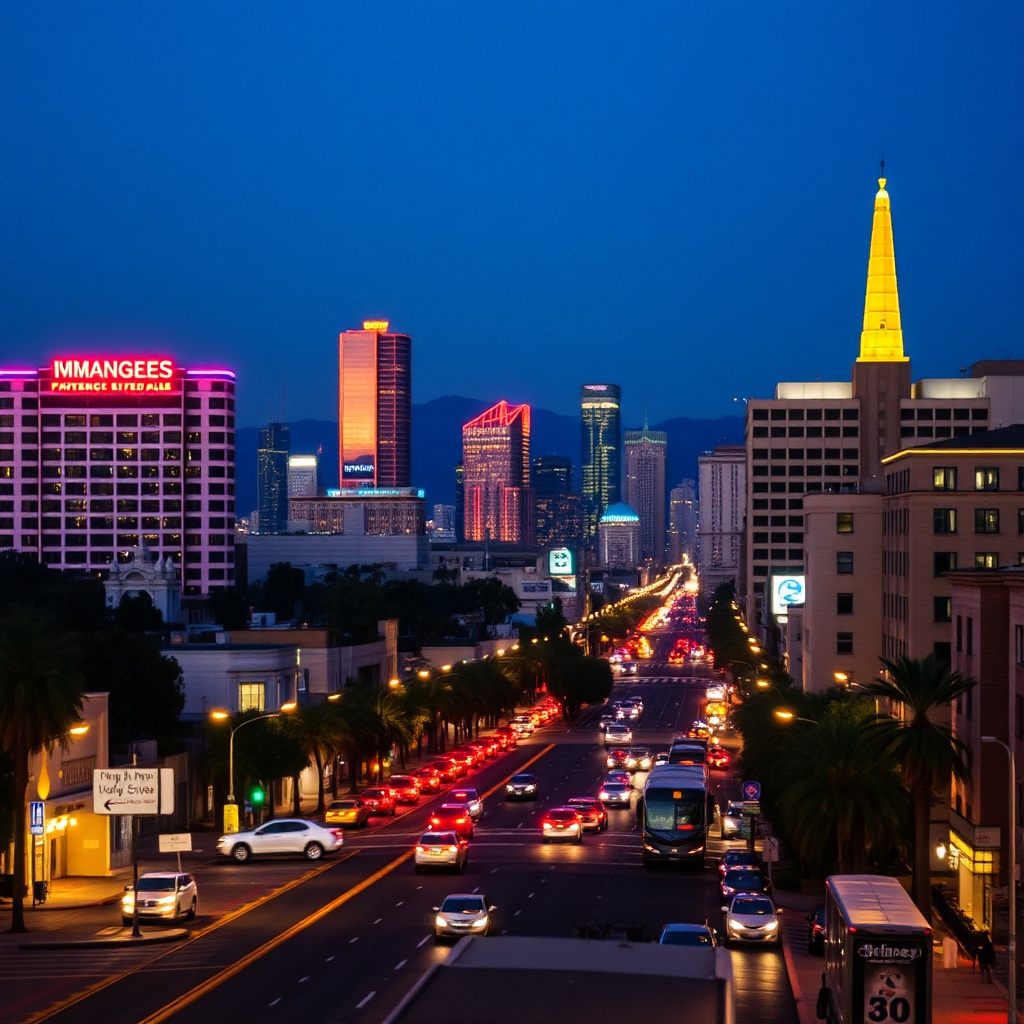
Whether you’re commuting, exploring cultural highlights, or planning a weekend getaway, the growing mix of transit options, bike infrastructure, and walkable neighborhoods makes it easier to get where you’re going — and discover parts of the city you might have missed before. If you want a tailored route, recommend neighborhoods, or need tips on bike-friendly streets, share where you’ll be starting and heading and get a custom plan.
