Inside the Los Angeles Clippers’ Modern Strategy: From Star-Driven Rosters to the Intuit Dome

The Los Angeles Clippers have evolved from underdog franchise to one of the NBA’s most scrutinized teams, and that transition continues to shape their strategy on and off the court. For fans and observers, a few consistent themes define the Clippers’ identity: star-driven expectations, an emphasis on defense, roster flexibility, and a modern home venue that shifts the franchise’s profile in Los Angeles.
Star power and roster construction
At the center of the Clippers narrative are their marquee players. Building a championship-ready roster around high-impact wings and versatile scorers has been a priority, but the franchise also understands that depth and role players determine playoff success. That has translated into a mix of veteran wings, switchable defenders, and high-efficiency shooters who can space the floor for isolation threats.
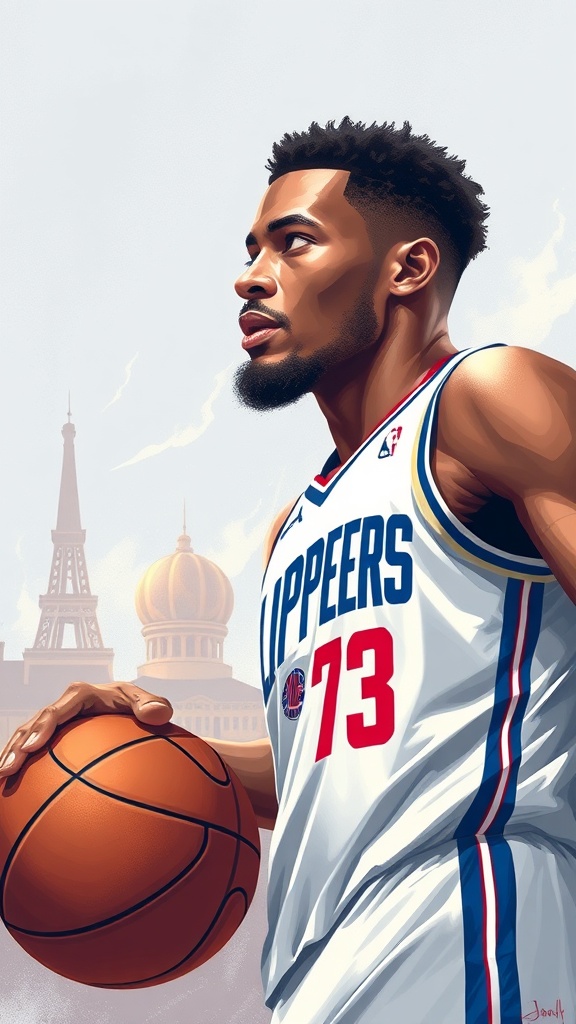
Front-office moves tend to balance short-term competitiveness with long-term flexibility. Targeting two-way wings, preserving cap space for upgrades, and investing in player development are all part of a blueprint intended to maximize the window when top talent is available and healthy.
Coaching and scheme
Coaching philosophy emphasizes physical defense, communication on switches, and play designs that create downhill opportunities for star scorers. Ball movement and spacing are prioritized, but when the game tightens, isolation play for trusted veterans often decides outcomes. The coaching staff’s ability to adapt — using small-ball lineups, defensive rotations, and situational adjustments — has been a key focus as the roster shifts through trades and free agency.
The Intuit Dome and home-court momentum
The team’s new arena in Inglewood is more than a building: it’s a strategic asset. Modern amenities, enhanced sightlines for fans, and state-of-the-art training and recovery facilities help attract free agents and improve player health management. Home-court atmosphere feeds into performance, and the Dome’s design aims to give the Clippers a distinct identity in Los Angeles sports.
Player health and availability
Availability remains one of the single biggest factors in the Clippers’ prospects. Managing minutes, optimizing recovery, and tailoring practice loads have become standard operating procedures. The front office and medical staff invest in technology and staffing to reduce injury risk and return players to peak condition more quickly when they do get hurt.
Analytics, scouting and development
Analytics inform shot selection, defensive matchups, and lineup minute allocations. Scouting continues to find value in overlooked wings and high-IQ role players who can thrive in specific rotations. The development pipeline—both from G League affiliates and targeted free-agent signings—feeds the main roster with players who understand their roles and can be counted on in playoff minutes.
What fans should watch next
Key indicators for the Clippers’ trajectory include roster chemistry during the playoffs, how the team manages star minutes down the stretch, and whether the front office can add the niche pieces that elevate a good roster into a title contender. Stay tuned for in-season trade activity and strategic signings that address spacing, perimeter defense, or bench scoring.
Beyond the court
The franchise continues to expand its community programs and local partnerships, positioning itself as a civic presence in the Los Angeles area.
That community engagement, combined with a high-profile arena and competitive ambitions, makes the Clippers a team to watch for anyone following the league’s power dynamics.
Whether the goal is a deep playoff run or sustained franchise stability, the Clippers’ mix of star expectations, infrastructural investments, and modern basketball strategy creates a compelling story for fans and neutral observers alike.
