How Virtual Production and LED Stages Are Transforming Hollywood Filmmaking

How virtual production and LED stages are reshaping Hollywood filmmaking
Hollywood is undergoing a quiet, powerful technical shift as virtual production and LED volume stages move from high-end sci-fi to mainstream filmmaking.
This combination of real-time rendering, large-format LED panels and precise camera tracking is changing how directors, cinematographers and production designers approach location, lighting and visual effects.
What virtual production delivers
At its core, virtual production replaces traditional blue- or green-screen setups with photoreal backgrounds displayed on LED walls that respond to camera movement. Real-time engines drive those backgrounds, so the perspective and parallax change naturally as the camera moves. The result is a live, in-camera composite that actors can react to and directors can light for on the spot.
Key advantages include:
– More natural performances: Actors share space and lighting with real environments rather than imagining a scene against a blank screen.
– Faster creative iteration: Backgrounds and lighting can be adjusted instantly, reducing costly reshoots and enabling immediate director feedback.
– Location flexibility: Remote or dangerous locations can be recreated on stage, allowing productions to avoid travel logistics while maintaining visual authenticity.
– Sustainable production: Reduced travel and fewer physical builds cut the carbon footprint of location-heavy shoots.
Technical and creative challenges
Virtual production introduces new craft demands. LED walls must be calibrated to match camera sensors, lenses and color pipelines to avoid artifacts like moiré, blooming or incorrect reflections. Camera tracking needs low latency and sub-millimeter accuracy so virtual backgrounds line up perfectly. Practical set pieces still need to integrate with digital content, requiring tight collaboration between art, VFX and camera departments.
Cinematography also adapts. Traditional lighting techniques must be blended with virtual illumination so actors and foreground elements read correctly against the LED backgrounds. Depth cues and lens choice remain crucial to preserve the sense of scale and distance that audiences expect.
Tools and workflows
Real-time engines and toolsets originally developed for games now play a central role. Designers use LED-friendly HDR panoramas and physically based sky models to deliver believable scenes. Production teams are developing previsualization workflows that let directors explore camera moves, blocking and lighting before stage time. On-set compositing and color grading happen closer to the camera, shortening the time from shoot to final picture.
Industry impact and future trends
As the technology matures, virtual production is moving beyond big-budget tentpoles.
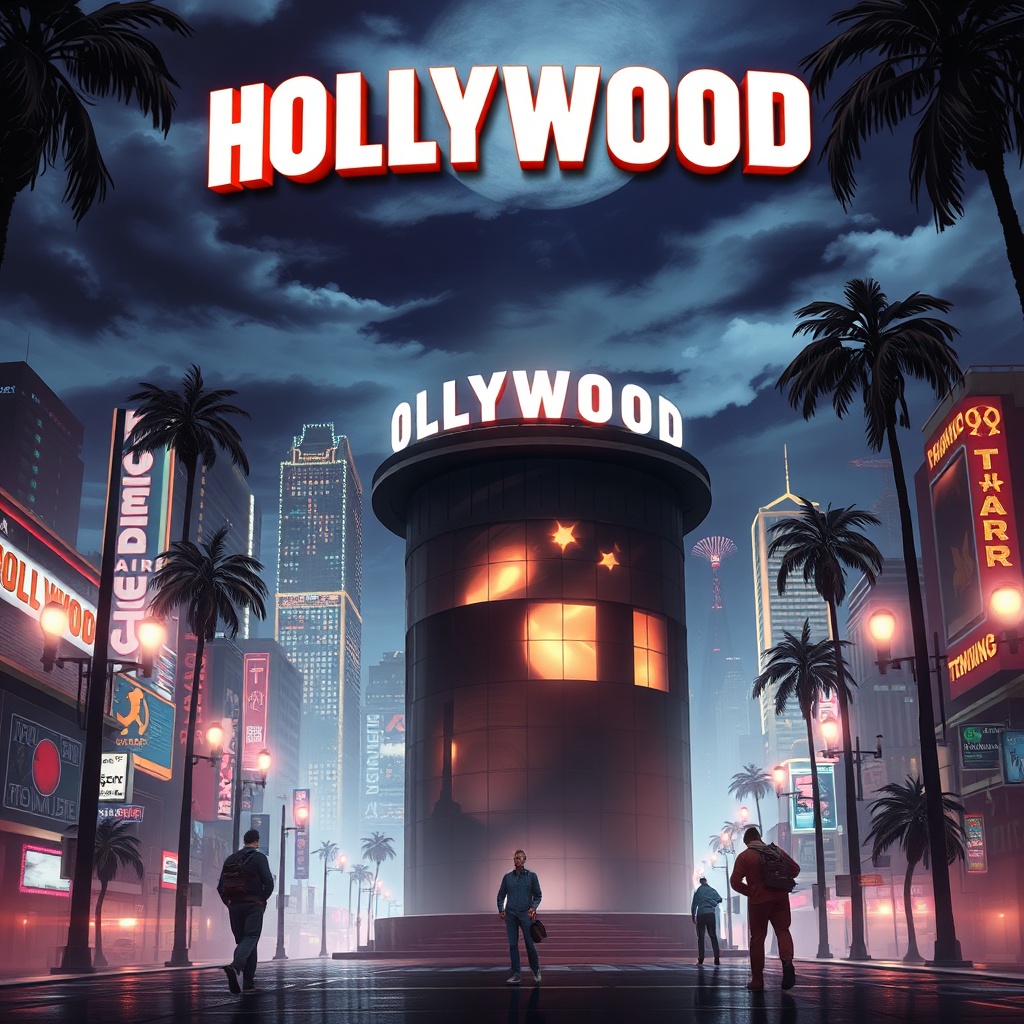
Smaller teams and independent productions are gaining access to modular LED stages and cloud-based rendering, democratizing techniques that once required massive budgets. Training programs and new job specializations—virtual art director, real-time lighting tech, LED systems engineer—are emerging to meet demand.
Interoperability between practical effects and virtual tools will keep evolving, with improvements in photogrammetry, volumetric capture and live motion capture further blurring the line between physical and digital filmmaking. Augmented reality overlays and remote collaboration tools promise to make location scouting and dailies review more connected and creative.
For filmmakers aiming to stay competitive, investing in virtual production literacy is becoming essential. Teams that learn to combine traditional craft with real-time technology can accelerate schedules, enhance storytelling and reduce environmental impact while delivering visuals that meet audience expectations. Hollywood’s next wave of innovation will likely be defined as much by these new workflows as by the stories they help tell.
