How to Live Car-Free in Los Angeles: Practical Tips for Getting Around Efficiently

Living car-free in Los Angeles: practical tips for getting around efficiently
Los Angeles has a reputation as a car city, but getting around without driving is increasingly realistic.
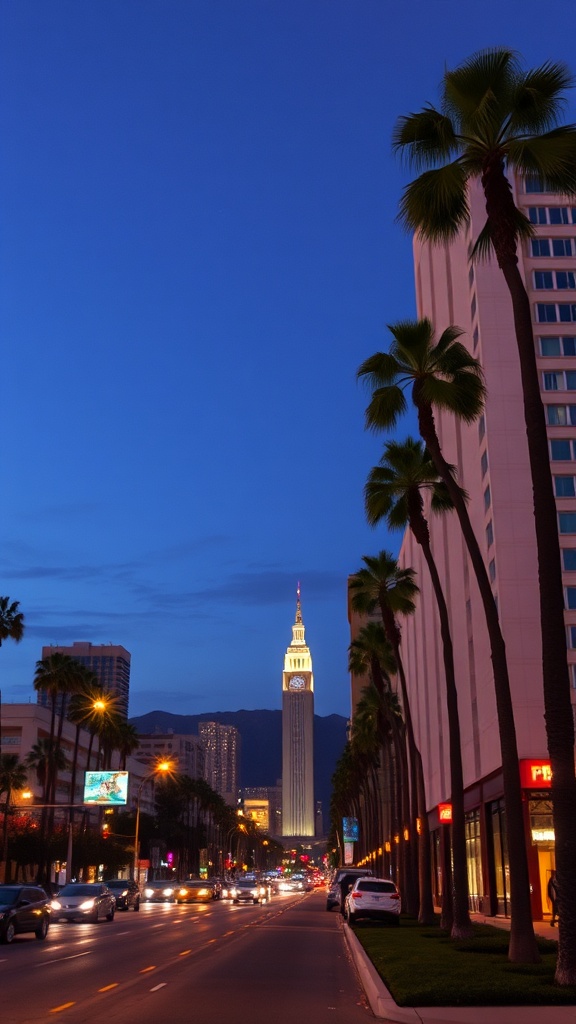
With expanding transit options, growing bike and scooter networks, and walkable pockets across the region, a car-free lifestyle can save money, reduce stress, and open new ways to explore.
Plan your routes with intent
Public transit in Los Angeles includes light rail, buses, and commuter lines that connect core neighborhoods and many suburbs.
Use transit apps and official agency trip planners to compare door-to-door options, including combinations of rail, bus, bike, and rideshare. Look for transit-adjacent accommodations and attractions to cut first-mile/last-mile time.
Master payment and passes
Most transit systems accept contactless payment and reloadable transit cards. Loading value onto a transit card or mobile app can speed boarding and reduce the need to handle cash. If you plan frequent travel, evaluate daily or monthly pass options to lower per-trip costs.
Mix modes for flexibility
A practical car-free approach blends modes:
– Rail and bus for longer corridors and peak traffic-free travel
– Shared e-bikes and scooters for last-mile connections or short trips
– Bike lanes and protected cycleways for commuting and recreation
– Rideshare for unusual hours or areas with sparse transit service
Cycling is more accessible than many expect
Investing in a reliable commuter bike or e-bike transforms mobility. E-bikes especially make LA’s hills and longer distances manageable while still being more affordable than car ownership.
Use helmet, lights, and high-visibility gear. Stick to protected bike lanes and low-traffic streets where possible; popular routes along the coast, river bike paths, and greenways offer safer, scenic alternatives.
Navigate timing and safety
Transit frequency varies widely. Peak-hour trains and express buses offer fast options, while late-night and weekend service may be reduced. Know peak windows for your routes and build buffer time for connections. For personal safety, travel on well-lit streets, pick busier stations when possible, and share your trip details with a companion after late-night rides.
Embrace multimodal commuting tools
Dockless scooters and bike-share systems provide useful short-trip options. Many neighborhoods now host charging hubs and pickup points. Combine these services with transit by planning for where you’ll dock or leave a device at each end of the trip. Apps that integrate multiple providers can simplify planning and payments.
Save money, gain time, and enjoy new perspectives
Cutting the car and relying on transit and active transport reduces parking hassles and costs. Walking and cycling invite discovery—local cafes, parks, and small businesses are often easiest to enjoy on foot.
Riding public transit can be an opportunity to catch up on reading, podcasts, or simply watch the city pass by.
Practical gear and habits
Carry a compact rainshell, a secure crossbody bag, portable charger, and a foldable shopping tote. Keep a backup plan for unexpected service changes—a rideshare app or local taxi number can be handy. Try a trial week of car-free travel to identify friction points and refine a reliable routine.
Los Angeles offers a growing toolbox for people who prefer to live without a car. With careful planning, the right gear, and a willingness to mix modes, a car-free lifestyle in this sprawling city is not only possible but often rewarding. Start small, map your favorite routes, and savor the freedom of moving through the city differently.
