How the Los Angeles Dodgers Blend Star Power, Pitching Depth & a Dominant Farm System

The Los Angeles Dodgers remain one of the most compelling stories in baseball—combining high-profile star power, deep organizational resources, and a fanbase that treats Dodger Stadium like a second home. For anyone following the team, the narrative centers on how the club blends household names with homegrown talent, while keeping the everyday experience at the ballpark fresh and engaging.
Star power and lineup depth
The Dodgers’ roster mixes marquee names with versatile role players, creating a lineup that can change look from night to night but still produce consistently. A marquee two-way star has amplified media attention and ticket demand, while perennial All-Star talent in the lineup delivers power and contact at the top of the order.
That balance allows the team to rotate matchups, rest veterans, and give younger players meaningful at-bats without sacrificing offensive output.
Pitching philosophy and depth
Pitching depth is a hallmark of the organization.
The staff blends veteran starters with high-upside arms developed in the farm system, and the bullpen receives significant attention through analytics and targeted acquisitions.
The front office’s emphasis on spin rates, pitch design, and sequencing has translated into a staff that adjusts quickly to hitters and leverages matchup data more than most clubs. That adaptability is especially valuable over the long grind of a season and in postseason series where quick countermoves can decide a matchup.
Player development and the farm system
The Dodger pipeline continues to be a competitive advantage. Prospects enter an environment heavy on individualized training, biomechanics, and mental skills coaching. When prospects arrive in Los Angeles they’re often more polished than with other organizations, which shortens the timeline from debut to impact. That approach also allows the front office to be selective in trades and free-agent signings, using prospect capital in strategic ways rather than out of necessity.
Dodger Stadium experience
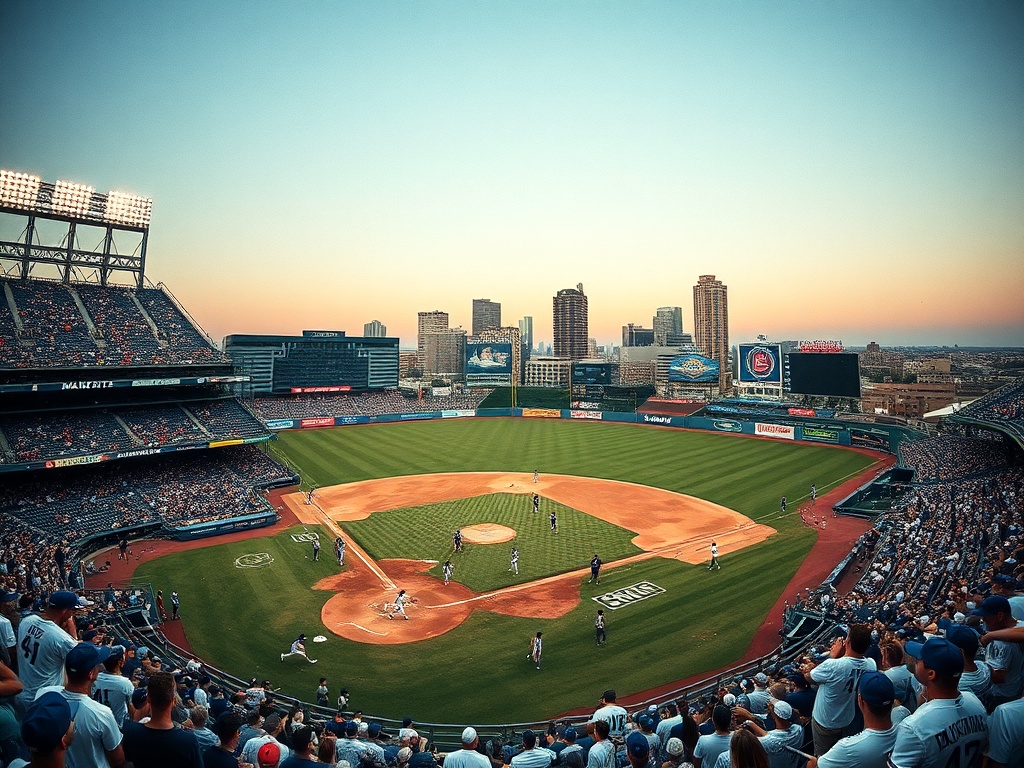
Dodger Stadium remains a must-visit for baseball fans. The ballpark combines traditional charm with modern amenities—shade and sightlines that feel like a baseball cathedral, alongside club spaces, revamped concessions, and a growing lineup of local food vendors.
Community engagement also keeps the ballpark lively: themed nights, heritage celebrations, and in-game activations make attending a game about more than the on-field product.
Rivalries and national profile
Historic rivalries, particularly with teams from the same coast, continue to draw national attention and create electric atmospheres.
The Dodgers’ national profile is amplified by big-market media coverage, star contracts, and a front office known for aggressive but data-driven roster moves. That combination keeps Los Angeles near the top of conversations about contenders and offseason moves.
What to watch going forward
Key storylines include how the rotation manages workload and injuries, which younger players seize extended opportunities, and how the front office balances short-term wins with long-term sustainability. Expect continued focus on bullpen optimization and the market for high-leverage relievers. On the offensive side, lineup flexibility and on-base skills remain priorities as pitchers and defenses become more specialized.
For fans and observers, the appeal is consistent: a team that blends glitz with substance, backed by an organization that rarely stops innovating. Whether watching at Dodger Stadium or following nationally, the blend of star moments, tactical depth, and a passionate fanbase keeps every game worth tuning into.
