Hollywood is reshaping how films reach audiences, turning moviegoing into a curated, event-driven experience rather than a one-off transaction.

Hollywood is reshaping how films reach audiences, turning moviegoing into a curated, event-driven experience rather than a one-off transaction. As distribution models evolve and audiences’ expectations shift, the industry is experimenting with premium formats, staggered release strategies, and immersive marketing to keep theaters relevant and profitable.
Why the theatrical window is changing
The traditional gap between a theatrical release and home viewing has compressed. Studios and exhibitors are negotiating flexible windows and premium day-and-date offerings to maximize both box office revenue and streaming value. This shift encourages audiences to choose the theatrical experience for a limited time, while later tapping into home platforms. For independent filmmakers and mid-budget projects, creative windowing can offer a soft landing: a focused theatrical run to build prestige and reviews, followed by a targeted streaming rollout.
Event cinema and premium formats
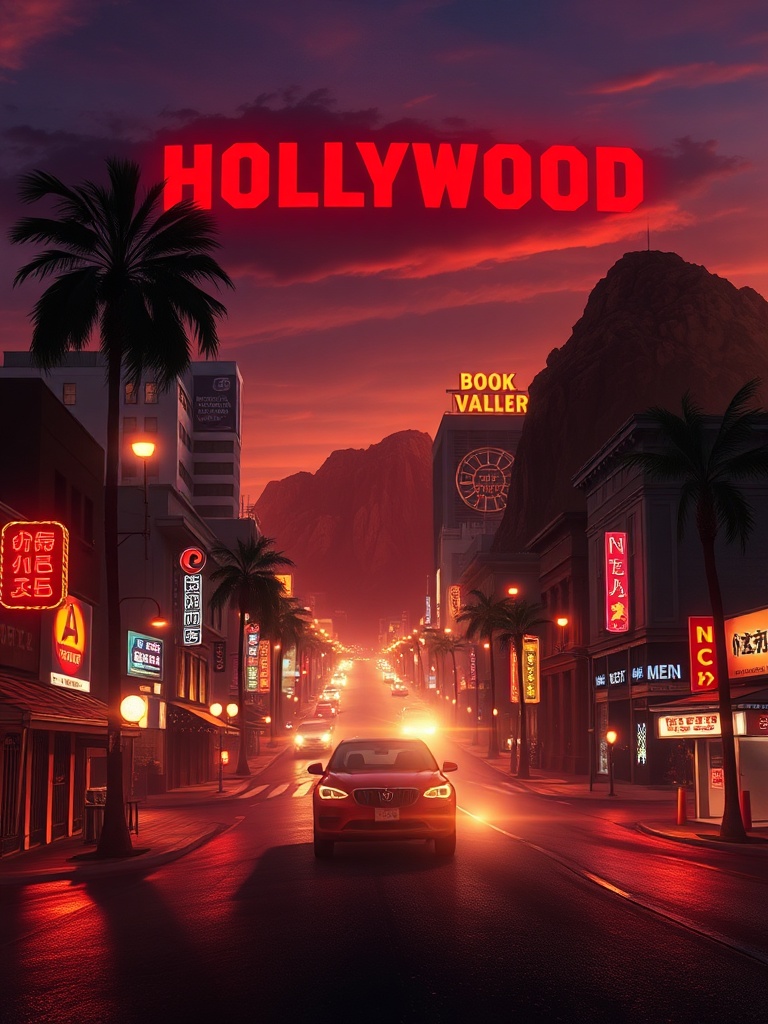
To justify the trip to the multiplex, studios are investing in premium formats—IMAX, Dolby Cinema, large-format screens, and experiential screenings with live elements or enhanced sound. These formats drive higher ticket prices and create a sense of occasion. Limited-run exclusive prints, extended director’s cuts, and immersive screenings (Q&As, themed nights) turn movies into social events, encouraging group attendance and repeat viewings.
Marketing: fandom, creators, and community
Marketing now emphasizes fandom and community-building. Social media campaigns leverage creators, behind-the-scenes access, and serialized storytelling to keep audiences engaged between releases. Studios harness fan theories, collectibles, and pop-up experiences to amplify word-of-mouth.
For creators, cultivating a direct line to fans—through newsletters, social channels, or experiential events—can be as important as traditional publicity.
Global-first strategies and localized storytelling
Hollywood’s growth increasingly depends on global audiences. Productions incorporate localized storytelling, casting, and marketing to resonate across regions.
Simultaneous global premieres, region-specific edits, and partnerships with local distributors help films perform internationally and extend shelf life. This approach benefits storytellers who craft narratives with universal themes while honoring local nuances.
The fate of mid-budget films
The mid-budget drama or genre picture has undergone a transformation. While tentpoles and streaming series claim large portions of investment, there’s still room for smaller films that find niche audiences through festivals, targeted theatrical releases, and strong streaming placement. Strategic festival premieres, influencer-targeted campaigns, and limited theatrical engagements can create critical mass and help these films break through the noise.
What audiences can expect
Moviegoers should anticipate more curated release calendars, special screenings, and cross-platform windows.
Expect studios to experiment with ticket bundles, loyalty programs, and exclusive in-theater content to reward regular patrons. For fans of franchises, expect interstitial content—short films, animated teases, and expanded-universe releases—to maintain engagement between major installments.
What creators and studios should focus on
– Prioritize experiential value: design theatrical releases that offer something viewers can’t get at home.
– Embrace flexible windowing: tailor release strategies to each title’s strengths, from prestige dramas to franchise tentpoles.
– Build communities early: engage fans with behind-the-scenes access, limited merch drops, and live events.
– Think globally, act locally: plan marketing and distribution with regional audiences in mind while keeping core storytelling intact.
– Be smart about budgets: allocate resources to elements that drive audience attendance and long-term visibility.
Hollywood’s latest phase is less about the death of theaters and more about reimagining their role in the entertainment ecosystem.
Films that deliver a memorable physical or communal experience, supported by savvy release strategies and audience-first marketing, are most likely to thrive.
