Here are 10 SEO-friendly blog title options (recommended: 1):

Los Angeles is feeling hotter and more unpredictable weather patterns, and the city is responding with a mix of design, policy, and community-driven solutions aimed at cooling neighborhoods and protecting vulnerable residents. Urban heat affects health, energy use, and livability—especially in densely built areas and neighborhoods with limited tree cover—so understanding local strategies and practical steps can help Angelenos stay safer and more comfortable.
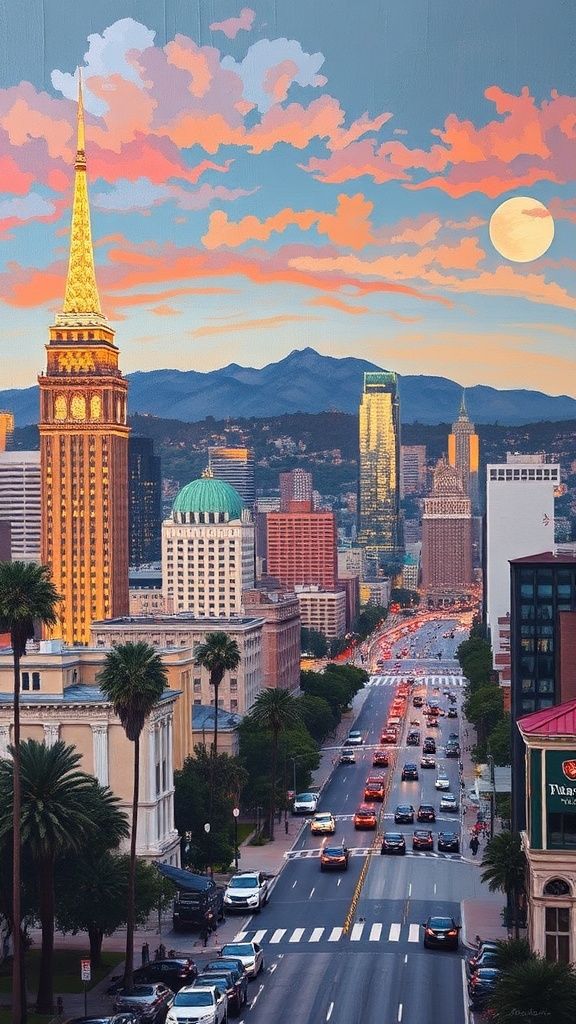
Why urban heat matters in Los Angeles
Urban surfaces like asphalt, concrete, and dark roofs absorb and re-radiate heat, creating pockets of higher temperature known as urban heat islands.
Lower-income neighborhoods often face the worst impacts because of less canopy cover and fewer cooling resources. Heat increases health risks, strains the electric grid, and raises costs for air conditioning—so mitigation is both a public health and equity issue.
City-scale approaches
Los Angeles is advancing multiple approaches to cool the city.
Urban forestry programs aim to expand tree canopy where shade is most needed.
“Cool” building strategies—including reflective roofs, lighter pavement, and shade structures—reduce heat absorption. Investments in public spaces and green infrastructure (bioswales, pocket parks, and permeable surfaces) both lower temperatures and improve stormwater management.
The push for rooftop solar coupled with battery storage also enhances resilience during high-demand periods by reducing reliance on centralized generation during heat-driven peaks.
Community and neighborhood solutions
Local organizations and neighborhood councils are key to implementing grassroots cooling projects. Community-driven tree plantings, volunteer shade installations at playgrounds and schools, and shared cooling centers during extreme heat events provide immediate relief. Many libraries, community centers, and recreation facilities open as temporary cooling hubs when needed—check local government and nonprofit listings for locations and hours.
Practical steps for residents
– Create shade: Add shade sails, awnings, or pergolas to patios and windows. Strategic planting of fast-growing native trees can provide long-term cooling.
– Reflective and green roofs: Lighter-colored roof coatings and rooftop gardens both reduce heat gain and improve comfort indoors.
– Water-wise landscaping: Use drought-tolerant native plants and mulching to cool soil and reduce irrigation needs. Group plants with similar water needs to conserve moisture.
– Stay informed: Sign up for local heat alerts and energy advisories from city and county services to plan outdoor activities and reduce indoor heat exposure.
– Smart cooling habits: Use fans to improve comfort when temperatures allow, seal gaps to keep cool air in, and schedule strenuous outdoor work for mornings or evenings.
– Community action: Join local tree-planting efforts or advocate for shade improvements at schools and transit stops.
Opportunities and incentives
There are often incentive programs and rebates for energy-efficient home upgrades, cool roofs, and electrification measures that reduce heat-producing appliances. Local utilities and community organizations frequently offer guidance and financial assistance—check official city and utility resources before starting a project.
Designing for the long term
Combining nature-based solutions with smart urban design creates resilient neighborhoods that handle heat better while delivering co-benefits like improved air quality, stormwater management, and mental well-being. Prioritizing investments in tree canopy, equitable access to cooling centers, and energy resilience helps ensure that Los Angeles remains livable even as temperatures shift.
Staying safe and comfortable during heat events starts with small household changes and scales up to neighborhood- and city-wide initiatives.
By mixing immediate relief with long-term planning, Angelenos can reduce heat risks, improve quality of life, and build a more resilient city for everyone.
