Explore Los Angeles by Foot, Bike, and Transit: A Neighborhood Guide

Los Angeles is a city of neighborhoods—each with a distinct personality, food scene, and set of outdoor experiences. Whether you’re a local rediscovering the city or a visitor planning a longer stay, focusing on walking, biking, and transit-friendly exploration unlocks authentic pockets of LA while avoiding the frustration of traffic and parking.
Why choose transit, bike, or foot
– Better pace: Walking and biking reveal small shops, murals, and hidden courtyards that speed-by car travel misses.
– Lower cost: Transit and shared micromobility are often cheaper than long-term parking.
– Greener travel: Choosing active or public transport reduces emissions and connects you with neighborhoods more naturally.
Practical tips for getting around
– Plan multi-modal routes: Use a transit app to combine light rail, bus, bike-share, and e-scooters. Many neighborhood trips are faster when you mix modes.
– Pack light and wear layers: LA microclimates mean a chilly morning can become a sunny afternoon. Comfortable shoes make walking much more enjoyable.
– Mind peak times: Roads and transit can be busiest during commute hours and weekend events. If you want a relaxed stroll or quick museum visit, aim for mid-morning or late afternoon.
– Safety and etiquette: On shared lanes, signal your moves and yield to pedestrians. On transit, keep bags compact and be mindful of rush-hour crowds.
Neighborhoods to explore by foot, bike, or transit
– Downtown LA: Start around the Arts District for street art and coffee roasters, then walk to historic Broadway theaters and Grand Central Market for diverse eats.
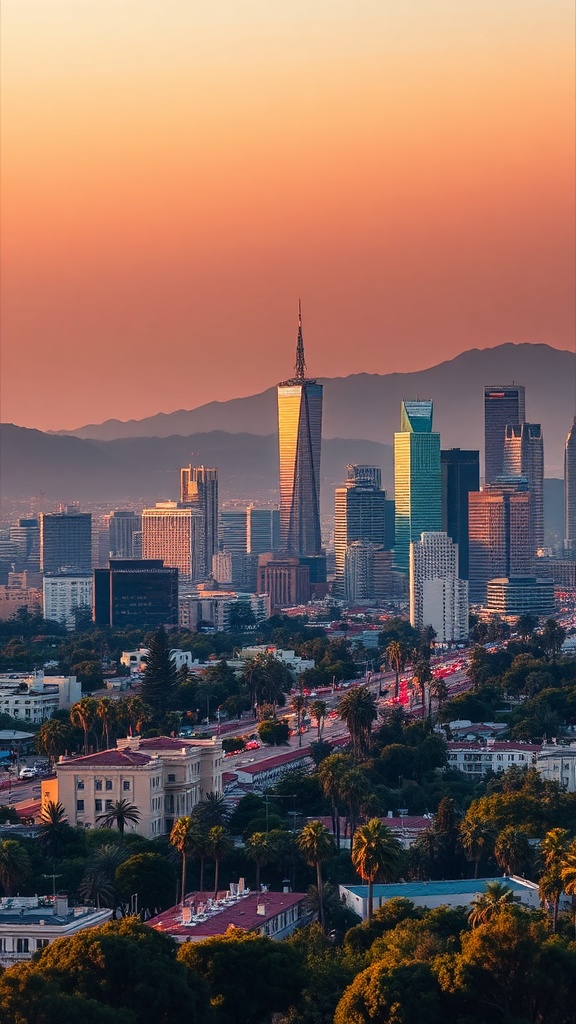
– Silver Lake and Echo Park: These adjacent neighborhoods are ideal for bike rides, indie boutiques, vinyl shops, and scenic reservoir paths with skyline views.
– Venice and Santa Monica: Bike along the beach path for boardwalk culture, pier views, and outdoor fitness scenes.
Branch off into Abbot Kinney (boutiques and eateries) or the quieter north Venice canals.
– Koreatown: Dense and walkable, this area offers late-night dining, karaoke, and unique bakeries. It’s also convenient to reach via multiple transit options.
– Highland Park and Eagle Rock: For those seeking neighborhood coffee culture, vintage stores, and mural-packed streets, these neighborhoods reward slow exploration.
Food, coffee, and cultural pauses
Eating while you walk is a Los Angeles pastime—tacos to poke bowls to artisanal pastries.
Farm-to-table cafes and experimental kitchens thrive in walkable corridors.
Look for communal outdoor seating and neighborhood markets for quick, local bites. Pop-up events, night markets, and small galleries often concentrate in areas served by transit, so check neighborhood calendars before you go.
Outdoor escapes without the long drive
LA’s green network includes river paths, pocket parks, and coastal bluffs that are surprisingly accessible by bike or public transit. Urban hiking trails near neighborhoods let you trade skyscraper views for eucalyptus-scented ridgelines in less than an hour from central hubs.
Final travel mindset
Treat Los Angeles as a mosaic of small, walkable places rather than a single monolithic city. Moving slowly—on foot, by bike, or using public transit—makes the city feel more intimate and sustainable. With a bit of planning, you’ll discover corners of LA that reward curiosity and leave the car keys behind.
