Car-Free Los Angeles: A Practical Guide to Navigating the City by Transit, Bike and Micromobility

Getting around Los Angeles without relying on a car is more realistic than many assume. The city’s transportation landscape has been shifting toward more choices: improved rail service, denser bus networks, bike lanes, and widespread micromobility options make exploring LA by transit, bike, or on foot increasingly convenient.
Here’s a practical guide for navigating the city smarter, saving time, and enjoying more of what Los Angeles neighborhoods have to offer.
Plan routes around fast transit corridors
Major rail lines connect core neighborhoods — downtown hubs, cultural districts, and some beach communities — and serve as anchors for efficient travel. Buses fill gaps and run frequent service along key corridors. For longer trips, prioritize routes that use these transit spines and transfer at well-connected stations to cut travel time.
Embrace micromobility for short trips
E-scooters, bike-share systems, and rentable e-bikes are ideal for last-mile connections and short errands.
They’re common near transit stations, parks, and business districts.
When using micromobility:
– Check local parking rules and designated docks to avoid fines.
– Use bike lanes where available and follow vehicle laws.
– Wear a helmet and stay predictable in traffic for safety.
Use apps and transit passes to streamline travel
Real-time trip planners and official transit apps provide live arrival times, service alerts, and multimodal routing.
Many riders find transit passes or reloadable fare cards cheaper and faster than paying per trip.
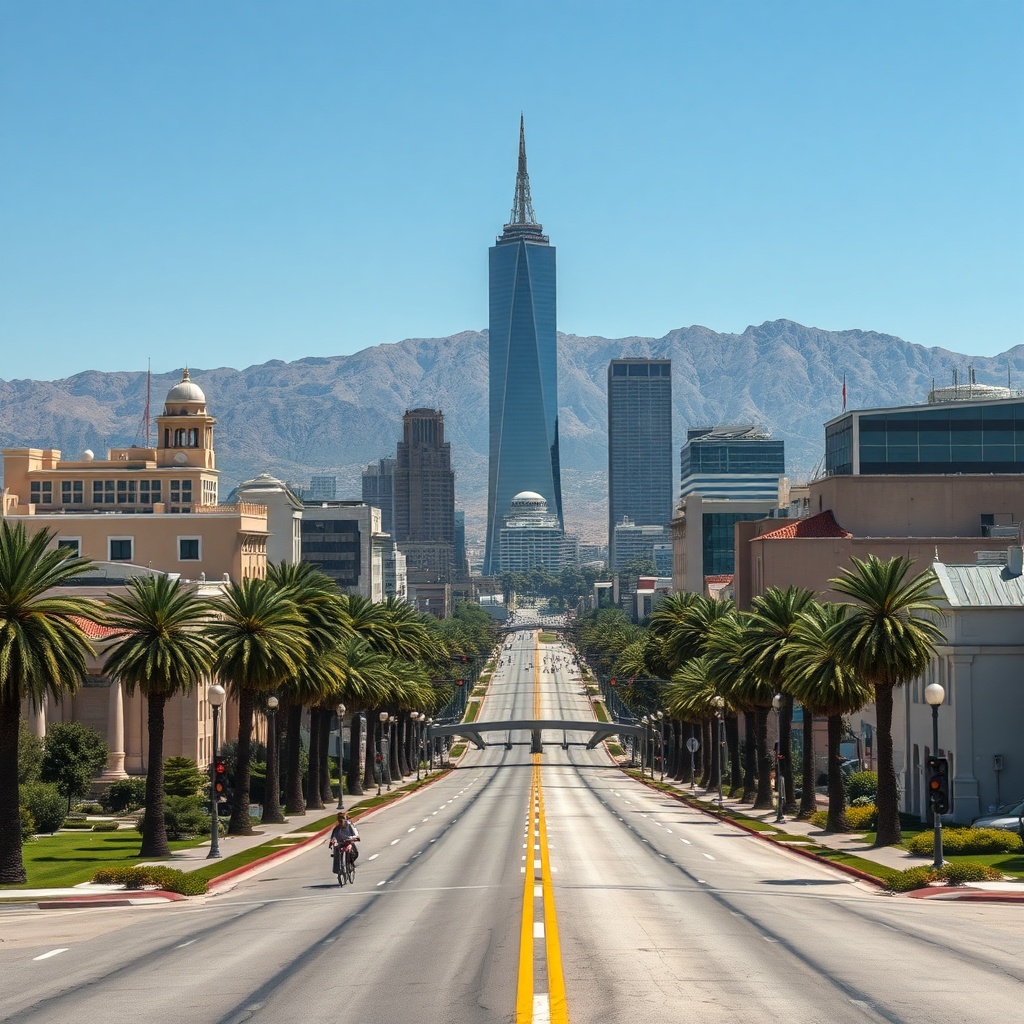
Combining a transit app with a rideshare or micromobility app offers flexible door-to-door options on days when transit doesn’t cover the whole route.
Choose neighborhoods that fit your lifestyle
Neighborhoods with dense amenities and transit access make car-free living easier. Areas with a mix of shops, cafes, parks, and offices within walking distance reduce the need for daily driving.
When scouting neighborhoods, look for:
– Proximity to rail stations or high-frequency bus lines
– Pedestrian-friendly streets and nearby grocery options
– Green spaces and bike infrastructure for safe recreation
Safety and comfort tips
Safety is a top concern for new transit riders. Bringing a friend for late-night trips, choosing well-lit stations, and keeping valuables secure help reduce risk.
Transit agencies and local community groups often sponsor safety improvements and station ambassadors on high-traffic routes, making stations more welcoming.
Time travel and peak-hour considerations
Peak travel times can affect trip length more than distance. If a schedule is flexible, try traveling outside peak commute windows to save time and enjoy less crowded trains and buses. For tourists, starting days earlier or shifting sightseeing blocks to midday can improve the experience.
Parking, ride-hailing, and car-sharing
For trips that must include a car, consider combining transit with short-term car-sharing or ride-hailing services. Many neighborhoods offer curbside pick-up zones that speed up connections between transit and on-demand rides. For occasional drivers, renting by the hour or using neighborhood car-sharing can be more economical than owning a vehicle.
Sustainability and quality of life
Reducing reliance on cars improves air quality, lowers traffic congestion, and enhances neighborhood livability. Supporting local transit projects and voting for community-minded transportation policies helps continue improvements that benefit residents and visitors alike.
Whether commuting to work, exploring museums and restaurants, or simply running errands, Los Angeles offers more than one way to get where you need to go. With a little planning, the city’s mix of transit, bikes, and pedestrian-friendly neighborhoods can make daily life more convenient and enjoyable without the stress of daily driving.
