How the Los Angeles Dodgers Built Baseball’s Model of Consistency

Why the Los Angeles Dodgers Remain Baseball’s Model of Consistency
The Los Angeles Dodgers combine star power, deep resources, and a system-driven approach to remain one of Major League Baseball’s most recognizable franchises. For fans, analysts, and casual observers alike, the Dodgers are as much a case study in modern roster construction as they are a perennial draw at Dodger Stadium.
Balanced roster construction
The Dodgers blend high-profile free agents and homegrown talent to create a roster built for both short-term impact and long-term depth.
Established stars provide day-to-day production and headline appeal, while prospects and mid-career signings fill essential roles.
That balance allows the club to absorb injuries and slumps, rotate lineups strategically, and remain competitive across a long season.
Player development and analytics
A robust development pipeline and a forward-thinking analytics department are central to the Dodgers’ approach.
Player development focuses on individualized plans—pitch design, plate discipline, defensive versatility—backed by data and modern training techniques. That emphasis on measurable improvement creates smoother transitions for prospects moving to the big-league roster and helps veteran players adapt as the game evolves.
Pitching depth and bullpen strategy
A reliable rotation and adaptable bullpen strategy are hallmarks of the team. The organization often invests in starting pitching while cultivating multi-inning relievers and high-leverage arms. Load management, matchup-based bullpen usage, and creative relief roles are used to maximize late-game success. These flexible strategies give the team tactical advantages in tight contests and playoff series.
Farm system and international scouting
The Dodgers have long prioritized a strong minor-league system and global scouting footprint.
International signings and strategic trades feed a farm system that produces both everyday players and high-upside prospects. This supply of talent reduces pressure in free agency and provides trade chips when the roster needs a targeted upgrade.
Dodger Stadium experience
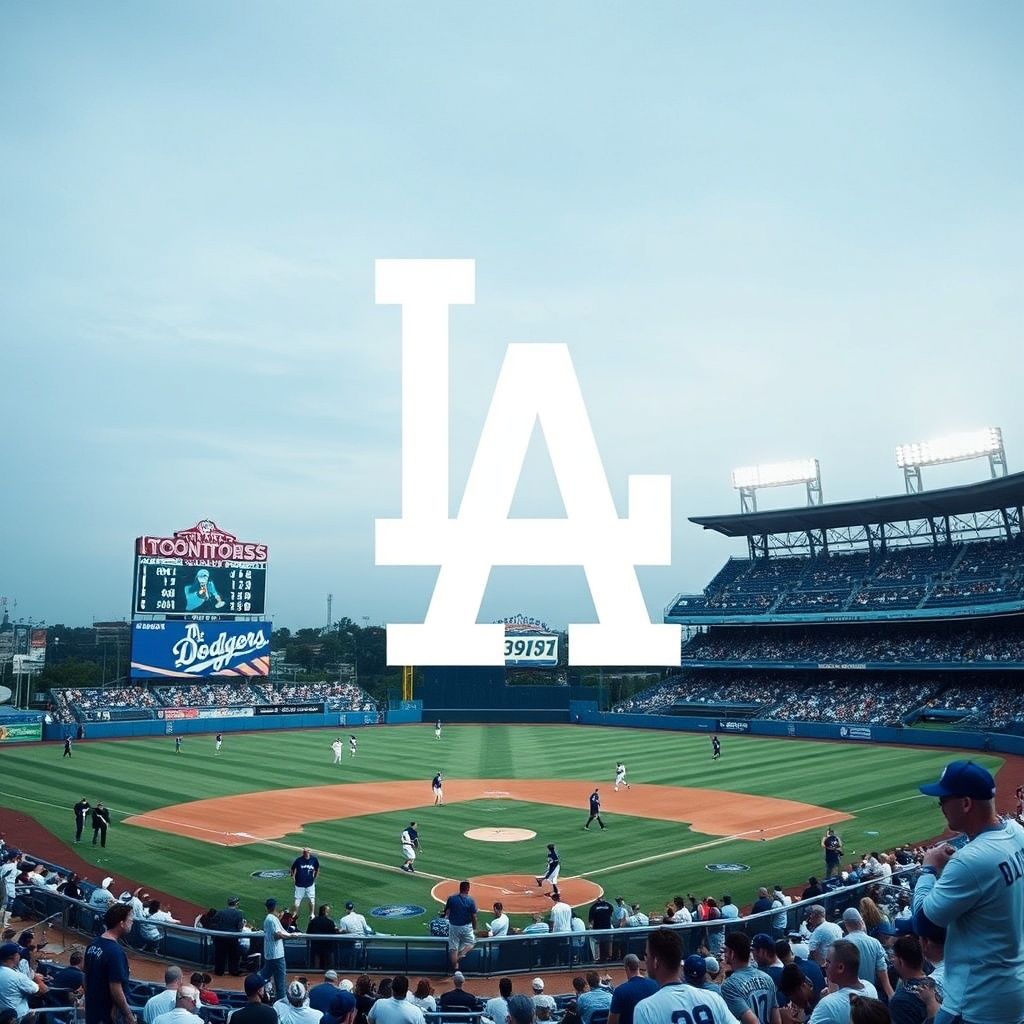
Dodger Stadium remains a destination for more than baseball—its views, traditions, and food culture create a memorable fan experience. Recent enhancements have improved sightlines, concessions, and accessibility while preserving the classic stadium feel.
From iconic chants to community tailgates, attending a game offers a mix of nostalgia and modern amenities that keeps fans coming back.
Community engagement and legacy
The organization’s community programs extend beyond the field, supporting youth baseball, education initiatives, and neighborhood outreach. Honoring the franchise’s historic figures and social milestones—especially those tied to inclusion and civil rights—helps maintain a meaningful connection with local communities and fans worldwide.
Rivalries and national profile
High-profile rivalries and frequent playoff contention keep the Dodgers prominent in national conversations. Their media presence, marquee matchups, and star players fuel interest from both domestic and international audiences, making the team a regular topic in sports media, fantasy baseball leagues, and sports-betting markets.
What fans should watch
Keep an eye on how the roster balances veteran leadership with rising prospects, how pitching depth is managed through the long season, and how front-office moves—trades, call-ups, and strategic signings—shape the playoff push. Off the field, ballpark initiatives and community partnerships will continue to define the fan experience.
Whether you follow box scores, prospect pipelines, or the stadium scene, the Dodgers illustrate how combining resources, development, and tradition creates sustained competitiveness and widespread appeal. The result is a franchise that stays relevant both on the field and in the broader cultural landscape.
