How Los Angeles Businesses Are Evolving to Win Customers and Cut Costs: Tech, Sustainability & Local Strategies

How Los Angeles Businesses Are Evolving to Win Customers and Cut Costs
Los Angeles businesses face a unique mix of opportunity and challenge: dense neighborhoods, tourism flow, high rents, and a diverse customer base with shifting expectations.
Companies that thrive are those that blend local authenticity with smart use of technology and sustainable practices. Below are practical strategies that work for small storefronts, restaurants, creative agencies, and larger firms navigating this environment.
Meet customers where they are
– Omnichannel presence is essential. Shoppers expect a seamless experience across Instagram, Google Business Profile, delivery platforms, and a polished website optimized for mobile.
– Use hyperlocal targeting: geo-fenced ads, neighborhood hashtags, and partnerships with local influencers help drive foot traffic to brick-and-mortar locations.
– Offer flexible fulfillment options: curbside pickup, local delivery, and buy-online-pickup-in-store (BOPIS) arrangements reduce friction for busy Angelenos.
Make spaces memorable and adaptable
– Experiential retail continues to outperform purely transactional models.
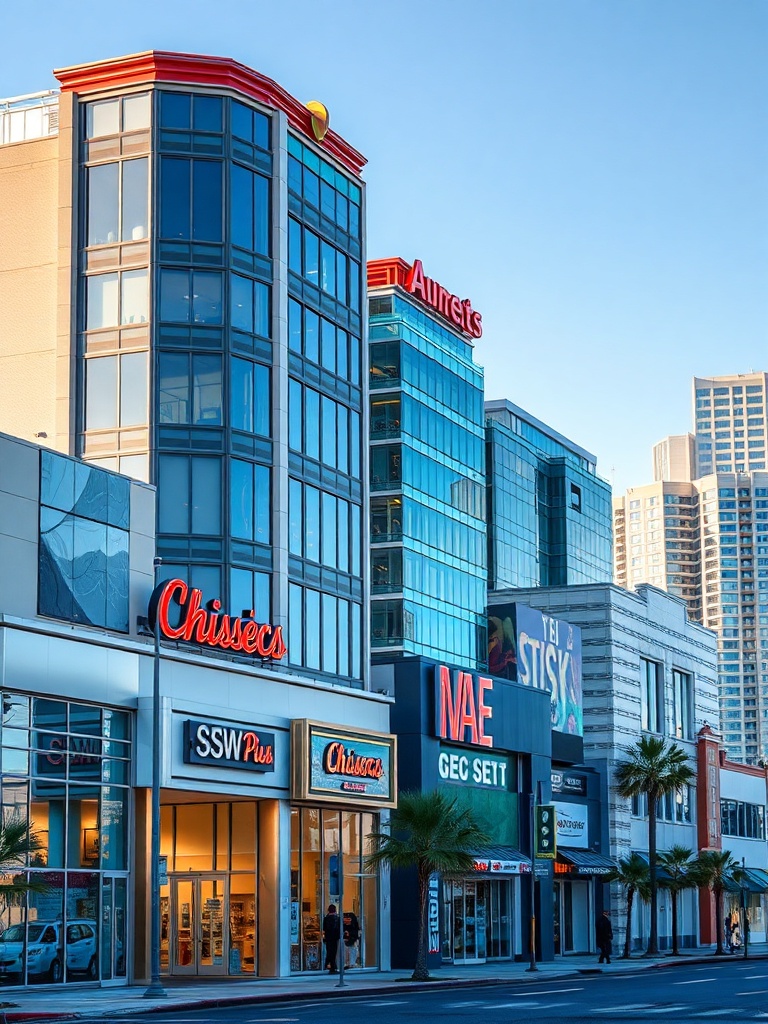
Pop-up events, curated in-store workshops, and rotating collaborations turn visits into experiences that encourage repeat customers.
– Outdoor-friendly options—patio dining, sidewalk displays, and pop-up activations—leverage LA’s climate and support social comfort for customers who prefer open-air interactions.
– Consider short-term leasing or shared retail spaces to test concepts without a large upfront commitment.
Control operating costs with efficiency and sustainability
– Energy-efficient upgrades, LED lighting, and smart thermostats lower utility bills and appeal to eco-conscious customers. Some local incentive programs may help offset retrofit costs.
– Inventory management tied to demand forecasting reduces waste for food businesses and frees up cash flow for retailers.
– Waste reduction strategies—composting, reusable packaging, and partnering with local recycling firms—save money over time and strengthen brand reputation.
Build community and local trust
– Authentic community engagement matters. Sponsoring neighborhood events, collaborating with nearby businesses on cross-promotions, and participating in business improvement districts can increase visibility and goodwill.
– Transparent communication about labor practices, sourcing, and local impact resonates with consumers who prioritize ethical and community-centered brands.
– Invest in employee development and retention; local workers who feel valued become ambassadors for your brand.
Leverage technology and data
– Small businesses can benefit from accessible tools for appointment scheduling, inventory, POS, and customer relationship management. Integrating these systems creates better customer experiences and clearer metrics for decision-making.
– Use data to refine promotions and inventory: track which products drive repeat visits, which time slots need staffing adjustments, and which channels deliver the best return on ad spend.
– Consider virtual options—online classes, livestreamed product launches, and digital consultations—to expand reach beyond the immediate neighborhood.
Adapt real estate strategies
– Flexibility is key: negotiate favorable lease terms, seek co-tenancy arrangements, or explore converting underused spaces into mixed-use offerings that serve multiple revenue streams.
– For companies holding office space, hybrid work models and flexible hot-desk setups reduce footprint and can improve employee satisfaction.
Los Angeles is a city of neighborhoods, creativity, and constant reinvention.
Businesses that prioritize local connection, operational efficiency, and memorable customer experiences position themselves to capture attention and loyalty. Practical changes—small investments in technology, creative use of space, and purposeful community engagement—often deliver outsized returns. Embracing those shifts keeps businesses resilient and relevant in a market that rewards innovation and authenticity.
