Hollywood’s Strategic Reset: Streaming Consolidation, Theatrical Comeback, and the New Rules of Film Distribution

Hollywood is moving through a period of strategic reset as audience habits and distribution economics evolve. The old blueprint — big studios banking on tentpole franchises, middle-budget dramas finding a home on network television, and a predictable theatrical window — has given way to a more fluid marketplace.
Understanding how these shifts affect what gets made, how it’s marketed, and where viewers watch is essential for industry professionals and movie fans alike.
Shifts in distribution and the return of theatrical focus
Streaming platforms transformed viewing patterns, but a noticeable pivot back toward theaters has emerged.
Studios are recalibrating release strategies, reserving major spectacle-driven films for exclusive theatrical windows to protect box office potential and the communal viewing experience that blockbuster cinema provides. At the same time, hybrid release models remain in play for certain titles, with limited theatrical runs followed by streaming debuts to capture both box office revenue and long-term subscriber value.
Content strategy and franchise dominance
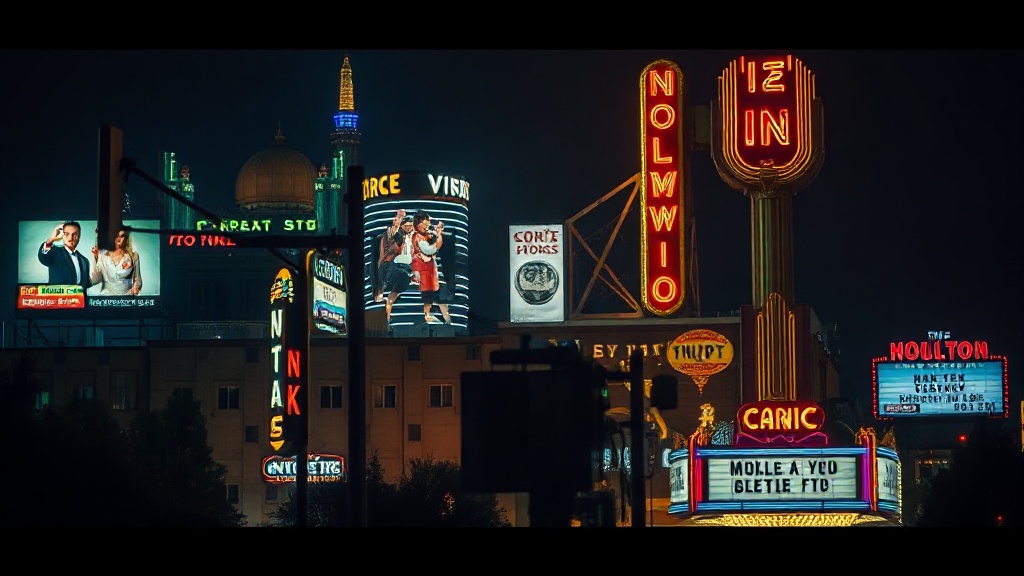
Franchises continue to dominate development pipelines because they reduce risk with built-in audiences and merchandising potential. But there’s also increased appetite for distinctive, original storytelling — particularly when backed by smart marketing and festival buzz. Studios are experimenting with smaller-scale auteur projects as prestige pieces to attract awards attention and critical acclaim, while franchise entries are engineered to deliver spectacle, global appeal, and expanded universe opportunities such as spin-offs and serialized TV tie-ins.
Streaming consolidation and platform differentiation
As streaming platforms consolidate and compete for attention, differentiation is the name of the game. Some services emphasize library depth and curated discovery; others commit to high-profile original series and films that generate cultural conversation.
Subscription fatigue among viewers is prompting platforms to focus on retention, releasing content in ways that encourage ongoing engagement rather than one-off consumption.
This has led to more staggered release schedules and serialized formats that keep subscribers invested.
Marketing, data, and the creator economy
Marketing strategies are increasingly data-driven, leveraging viewing behavior and social trends to target promotion. Social platforms and influencer partnerships play a crucial role in building early awareness, especially for niche or genre titles. Meanwhile, creators have more avenues to build audiences independently before partnering with studios, turning direct-to-consumer popularity into mainstream opportunities.
Diversity, representation, and behind-the-camera change
Diversity initiatives have reshaped hiring and storytelling practices across the industry. Studios and production companies are more conscious of representation both on-screen and behind the camera, understanding that varied perspectives drive creativity and broaden audience appeal. This makes Hollywood more competitive creatively as underrepresented voices bring fresh narratives that resonate globally.
Challenges and opportunities for theaters and filmmakers
Independent theaters and specialty cinemas are finding innovative ways to stay relevant by offering curated programming, event screenings, and immersive experiences.
Filmmakers benefit when theaters act as cultural spaces that host community-building events, director Q&As, and repertory seasons. For creators, the current landscape rewards originality, savvy distribution planning, and an ability to tap into both niche communities and mainstream appeal.
What audiences should expect
Viewers can expect a mix of big-screen spectacle and personalized streaming experiences. The healthiest projects will be those that understand their core audience and choose the distribution path that best serves the story — whether that’s a global theatrical launch, a platform debut, or a hybrid model. As Hollywood adapts, storytelling remains the central currency: bold ideas executed well will continue to cut through the noise and find their audience.
