Reinventing LA Streets: Building Walkable, Bikeable, Transit-Friendly Neighborhoods

Los Angeles is quietly reinventing how people move around the city — shifting from car-first streets to more walkable, bikeable, and transit-friendly neighborhoods. That shift is shaping daily life, improving air quality, and creating new opportunities for local businesses and public space.
What’s changing on the streets
Across many parts of Los Angeles, investments in protected bike lanes, dedicated bus lanes, and safer pedestrian crossings are transforming busy corridors.
Bus rapid transit and enhanced bus priority measures are making public transit faster and more reliable, while curbside redesigns and pop-up plazas are reclaiming space previously dominated by parked cars. The result is a more human-scale street environment where people feel safer walking, biking, or using a scooter.
Why it matters
– Faster, more reliable transit reduces commute stress and can lower household transportation costs.
– Protected cycling and pedestrian infrastructure cut traffic injuries and support public-health goals by encouraging active travel.
– Greening and sidewalk improvements mitigate urban heat island effects and improve stormwater absorption, helping neighborhoods withstand extreme weather.
– Streets that prioritize people over cars boost foot traffic for small businesses, creating more vibrant commercial corridors.
Community-driven design
Successful street transformations often start with community input. Local residents, merchants, and advocacy groups increasingly shape redesign plans through neighborhood councils and public workshops. Temporary interventions, like parklets or experimental bike lanes, let communities test ideas quickly and provide real-world feedback before permanent upgrades are made. This iterative approach builds trust and ensures projects reflect local needs.
Everyday ways to take part
– Try a dedicated bus lane or rapid bus route to compare real travel times with driving.
– Explore protected bike lanes or shared e-bike programs for short trips under a few miles.
– Attend a local planning meeting or provide feedback on proposed street changes through city portals.
– Support small businesses along corridors targeted for improvement; higher foot traffic helps projects succeed.
– Advocate for safer crossings and lighting near schools and senior centers to protect vulnerable road users.
Design details that matter
Small design choices make a big difference: curb extensions and raised crosswalks shorten crossing distances; protected intersections reduce conflicts between turning vehicles and cyclists; and clearly painted bus lanes with consistent enforcement maintain transit speed and reliability. Landscaping and shade trees not only beautify streets but also lower temperatures and encourage year-round walking.
Looking ahead
The momentum toward people-centered streets aligns transportation goals with climate resilience and public health.
As more neighborhoods pilot creative uses of curb space and test scalable transit improvements, the cumulative impact can be significant: fewer car trips, cleaner air, safer streets, and livelier commercial strips.
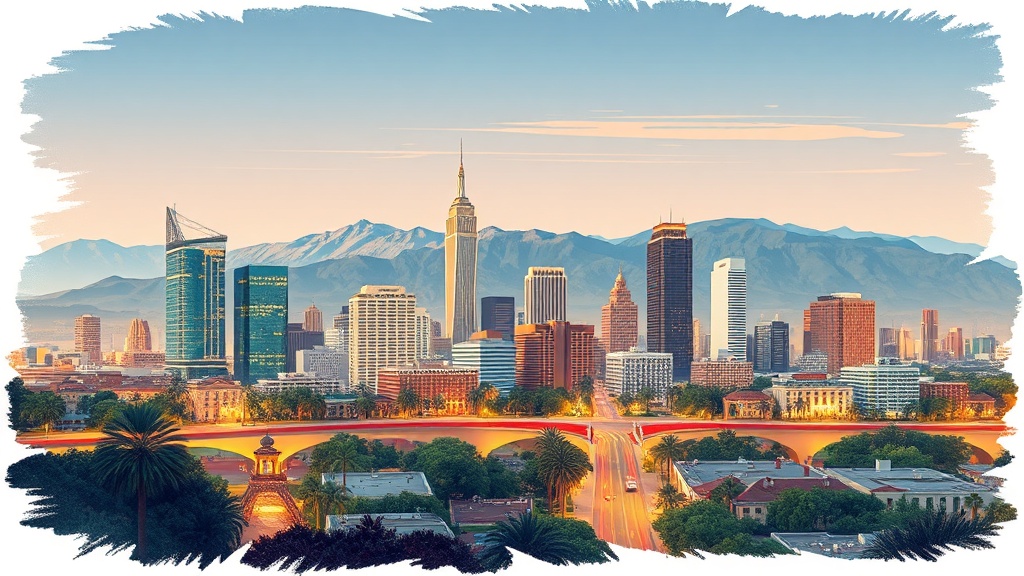
If you want to support better streets where you live, start by experiencing the alternatives to driving, giving feedback on local projects, and backing measures that prioritize safe, reliable transit and active transportation. Small changes in how streets are designed add up to a much more accessible, resilient, and enjoyable Los Angeles for everyone.
