How Los Angeles Is Cooling Down: City Strategies, Neighborhood Actions & Heat‑Relief Tips

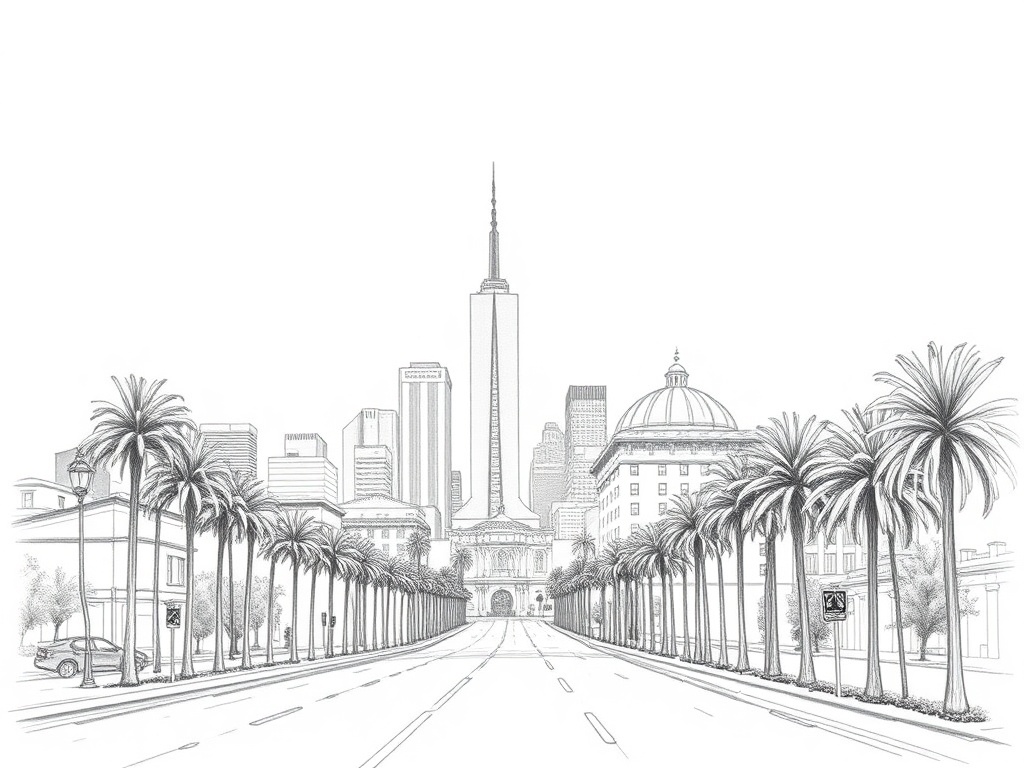
Los Angeles is known for sun-soaked beaches and palm-lined boulevards, but the same sunshine contributes to urban heat challenges across neighborhoods.
Rising temperatures and increasingly frequent heat events make cooling the city a priority for health, energy resilience, and quality of life. Fortunately, a mix of city initiatives, community projects, and everyday choices can make LA more comfortable and sustainable.
Why urban cooling matters
Heat affects more than comfort. It raises energy demand for air conditioning, increases heat-related illnesses, and worsens air pollution. Low-income neighborhoods and areas with sparse tree cover often experience the most intense heat — a disparity that local efforts are trying to address. Cooling strategies can reduce energy bills, improve public health, and extend the life of infrastructure.
City-scale strategies that are changing the landscape
Los Angeles has been investing in a range of cooling solutions across public spaces and streetscapes. Expanding the urban tree canopy and planting shade trees along sidewalks and medians help lower surface and air temperatures. Cool roofs and reflective coatings on municipal buildings cut heat absorption and reduce indoor cooling loads. Permeable pavements and more green alleys improve stormwater capture and lower surface heat at street level.
Neighborhoods are seeing pop-up shaded plazas, enhanced parklets, and redesigned bus stops with better shelter from the sun — all small interventions that add up. Electrification of city equipment and microgrid pilots also reduce fossil-fuel combustion during peak heat periods, which can improve air quality and resilience when the grid is stressed.
What residents can do right now
– Increase shade: Planting small trees or installing shade sails and awnings can lower home temperatures quickly. Even potted trees and tall shrubs make a difference on balconies and patios.
– Cool roofs and window treatments: Reflective roof coatings and light-colored roofing materials reduce heat gain. Interior blinds, reflective window films, and exterior shutters help keep rooms cooler.
– Water-wise landscaping: Replace thirsty lawns with drought-tolerant native plants, succulents, and mulch to maintain soil moisture and lower ambient temperature without excess water use.
– Create cool corridors: If neighbors coordinate on tree planting and shade improvements, streets can become noticeably cooler. Neighborhood associations and block clubs can be powerful partners.
– Use community cooling resources: Libraries, community centers, and designated cooling centers provide refuge during extreme heat. Keep a list of nearby facilities and share it with vulnerable family members and neighbors.
– Smart scheduling: Shift outdoor exercise and chores to early morning or evening hours, and stay hydrated during hot spells.
Health and equity considerations
Heat is a public-health issue. People with chronic conditions, older adults, children, and outdoor workers are especially vulnerable. Community outreach, free cooling resources, and targeted tree-planting projects in underserved neighborhoods can reduce inequities. Look for local nonprofit programs and city-sponsored initiatives that focus on heat relief and access to shade.
Economic benefits
Cooling measures often pay for themselves. Lower energy bills, reduced cooling system strain, and extended pavement and roof lifespans translate into savings for households and municipalities.
Businesses benefit too: cooler sidewalks and shaded outdoor dining areas attract customers and extend usable hours.
A cooler, greener LA requires both policy and participation. Small, immediate actions — planting a tree, shading windows, supporting local cooling projects — add up to meaningful relief.
Neighborhood-scale collaboration combined with broader municipal investments will shape a more livable city as temperatures rise and residents prioritize comfort, health, and resilience.
