Here are several SEO-friendly title options—recommended: 2.

Los Angeles is reinventing its relationship with green space—transforming front lawns, rooftops, and vacant lots into climate-smart landscapes that save water, cut energy costs, and boost neighborhood resilience. As the city faces hotter summers and strained water supplies, homeowners, renters, and businesses are adopting strategies that make landscapes both beautiful and practical.
Why LA’s green shift matters
Urban greenery reduces the heat-island effect, slows stormwater runoff, improves air quality, and provides habitat for pollinators. Replacing thirsty turf with drought-tolerant plants and permeable surfaces can dramatically lower water bills and decrease irrigation needs. Rooftop gardens and street tree plantings help cool buildings and sidewalks, reducing demand for air conditioning and improving comfort in dense neighborhoods.
Practical steps for water-wise yards
– Replace lawn with native or drought-tolerant plants: Choose California natives and Mediterranean-adapted species like sages, manzanitas, ceanothus, poppies, and low-growing succulents for attractive, low-water landscapes. Group plants by water needs to optimize irrigation.
– Improve soil and mulching: Amend compacted soil with organic matter to increase water retention. Apply a 2–3 inch layer of mulch to suppress weeds and reduce evaporation.
– Smart irrigation: Install drip irrigation and a smart controller that uses local weather data to avoid overwatering. Water early in the morning to minimize evaporation.
– Harvest rain and reuse graywater: Capture roof runoff in rain barrels or cisterns for landscape use; where allowed, route graywater from showers and washing machines to irrigate appropriate plants. Check local permitting and guidelines.
– Remove small or problematic trees carefully: Mature trees provide shade and cooling, so prioritize preserving canopy where possible. If removal is necessary, replace with multiple smaller trees to maintain benefits.
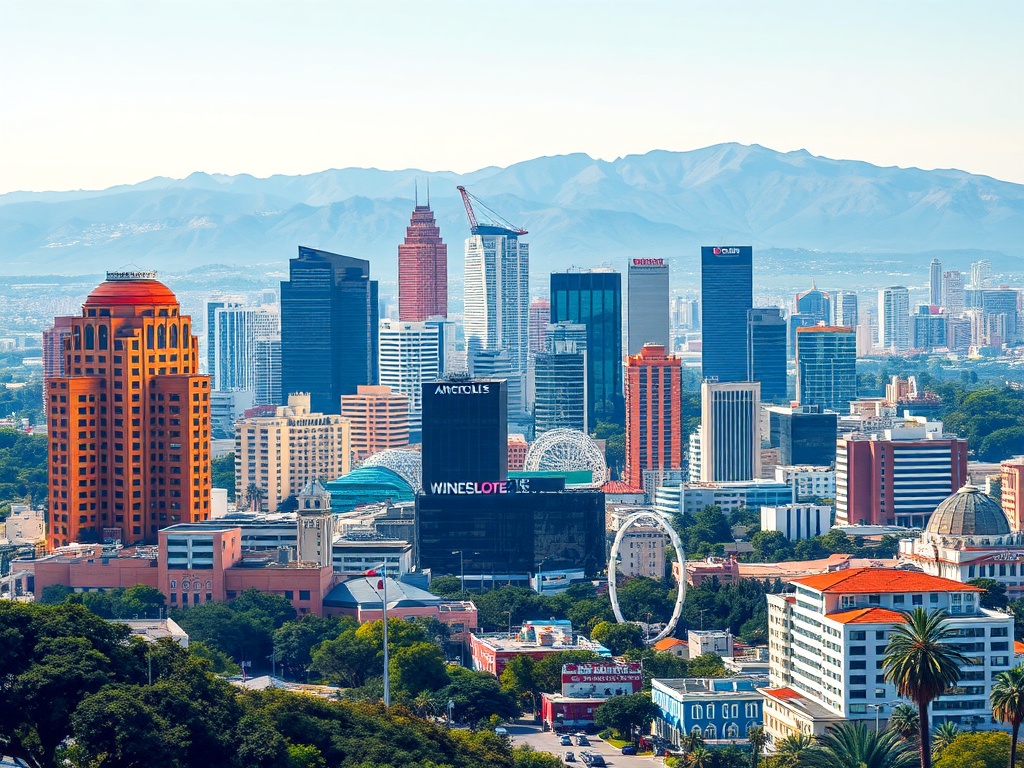
Rooftop gardens and urban agriculture
Rooftop gardens are gaining traction as multipurpose amenities that reduce heat gain, retain stormwater, and create space for food production.
Even modest balconies can host edible containers or vertical planters. For larger rooftop projects, consider structural load capacity, waterproofing, drainage layers, and lightweight growing media. Community gardens and shared plots also provide access to soil and social connection for people who lack private yard space.
Supporting biodiversity and pollinators
Design landscapes to support bees, butterflies, and birds by including a mix of native flowering plants, seasonal nectar sources, and shelter. Avoid broad-spectrum pesticides; instead, use integrated pest management practices that favor beneficial insects and maintain ecological balance.
Local resources and incentives
Many city and utility programs offer rebates, workshops, and technical support for turf replacement, smart irrigation upgrades, rainwater capture, and tree planting. Local nurseries and native plant societies can help select species suited to microclimates, while community garden networks provide hands-on learning.
Design with long-term resilience in mind
Think beyond immediate aesthetics. Choose plants with diverse root structures to reduce erosion, design for stormwater infiltration, and prioritize species that will thrive as the climate shifts. Layered plantings—groundcover, shrubs, and trees—create structural resilience and year-round interest.
A greener Los Angeles is achievable at any scale. Whether converting a single front yard, installing a rooftop planter, or participating in a neighborhood tree program, practical choices today build cooler, healthier neighborhoods and stretch limited water resources further while celebrating the region’s unique plant palette.
