Here are several SEO-friendly title options (recommended: 1):

How Los Angeles Is Adapting to Heat and Wildfires: Practical Steps for a Safer City
Los Angeles faces a unique mix of urban heat, changing fire patterns, and water scarcity. With sprawling neighborhoods, dense downtown areas, and wildland-urban interfaces edging into hills and canyons, the city is focusing on resilience that protects people, property, and infrastructure. The following outlines the key strategies shaping LA’s response and what residents can do to stay safer and more comfortable.
Urban heat and wildfire risk — the challenge
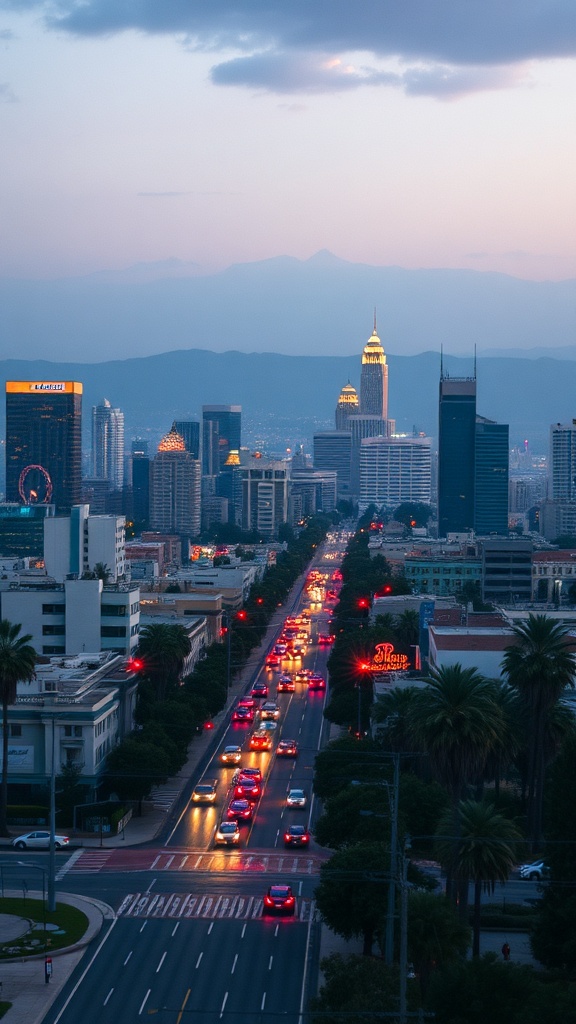
Los Angeles experiences sustained high temperatures, amplified by the urban heat island effect: pavement, rooftops, and limited canopy trap heat and raise nighttime temperatures. Simultaneously, periods of dry vegetation and shifting wind patterns increase wildfire risks at the city’s edges and in nearby hills. These overlapping threats strain emergency services, energy systems, and public health — particularly for seniors, young children, and outdoor workers.
City-scale solutions making a difference
– Cooling infrastructure: The city is expanding cool roof and cool pavement programs to reflect sunlight and reduce surface temperatures. Incentives for reflective roofing materials help commercial and residential buildings lower indoor cooling demand and reduce electricity load during heatwaves.
– Tree canopy and green streets: Planting shade trees and building linear parks along boulevards cool neighborhoods, improve air quality, and create walkable corridors.
Prioritizing canopy in heat-vulnerable neighborhoods helps address environmental equity gaps.
– Water-smart landscaping: Drought-tolerant gardens, rain gardens, and permeable surfaces reduce runoff, recharge groundwater, and lower irrigation needs. Rebates and technical assistance are available for property owners who swap thirsty lawns for climate-appropriate landscapes.
– Fire-hardening and defensible space: Home hardening programs encourage noncombustible materials for roofing and siding, ember-resistant vents, and vegetation management around structures. Community-level fuel breaks and coordinated vegetation thinning reduce wildfire intensity near residential areas.
– Grid resilience and demand management: Utilities are deploying targeted upgrades, energy storage, and demand-response programs to prevent outages during peak heat. Microgrids in critical facilities and neighborhoods improve recovery after major events.
Practical steps for residents
– Prepare your home: Create and maintain defensible space by trimming brush, clearing gutters, and using fire-resistant plants near your house.
Consider ember-resistant vents and noncombustible landscaping within the first 5–10 feet of structures.
– Make your home cooler: Install reflective roofing or add shaded overhangs and awnings.
Use high-performance window coverings and strategically placed shade trees to reduce indoor heat gain.
– Reduce water waste: Swap turf for native or drought-tolerant plantings, add drip irrigation with timers, and capture runoff with small-scale rain gardens where feasible.
– Plan for emergencies: Assemble a go-bag with important documents, medications, water, and basic supplies.
Map multiple evacuation routes and connect with neighborhood groups to share information quickly.
– Stay informed and connected: Sign up for local alert systems and follow community resource pages.
Heat-relief centers and cooling sites are often activated during extreme events; know their locations in your area.
Equity and community action
Resilience is most effective when it reaches the people who need it most. Targeted cooling programs, tree-planting in underserved neighborhoods, and community-led vegetation management build social cohesion and reduce disparities.
Local nonprofits and neighborhood councils remain vital partners for outreach and implementation.
Los Angeles will continue adapting infrastructure, policies, and community practices to meet a future with more frequent heat episodes and fire threats. By combining large-scale planning with household readiness and neighborhood-level action, the city can reduce risk, protect vulnerable populations, and create cooler, greener neighborhoods for everyone.
