Recommended: How the Los Angeles Dodgers Built a Blueprint for Success

The Los Angeles Dodgers have become a standard-bearer for sustained excellence in baseball, blending tradition with modern baseball science. From the iconic sightlines of Dodger Stadium to a deep front office that emphasizes data-driven decisions and player development, the organization offers a clear blueprint for building and maintaining a contender.
Why the Dodgers remain in the spotlight
– Institutional depth: The Dodgers pair significant financial resources with one of the most productive scouting and development systems in the game.
That combination lets them acquire top talent across free agency, trades, and international markets while also promoting impactful players from within.
– Pitching factory: Dodgers’ pitching development is a recurring talking point among analysts. A structured approach to mechanics, workload management, and individualized plans helps funnel effective starting pitchers and relievers to the big-league roster.
– Analytics and preparation: The front office uses a sophisticated analytics framework to optimize in-game strategy, roster construction, and injury prevention. Those insights influence everything from defensive alignments to bullpen usage and player acquisition targets.
– Tradition and star power: Historic figures like Jackie Robinson and Sandy Koufax, plus legendary broadcasters, have anchored the club’s identity. Contemporary stars who rise into the national spotlight help keep the Dodgers in headlines while connecting new fans to a storied past.
Fan experience at Chavez Ravine
Dodger Stadium remains a bucket-list ballpark for many fans. The atmosphere combines classic baseball charm with modern amenities: expansive views, plentiful food options that celebrate local favorites, and family-friendly areas that make games accessible to all ages. The organization has also focused on improving accessibility and convenience—transportation to the stadium, parking experiences, and in-park services that reflect evolving fan expectations.
Organizational strengths that matter
– Farm system pipeline: Rather than relying solely on big-ticket signings, the Dodgers consistently cultivate prospects who can contribute at the major-league level. A steady flow of homegrown talent sustains depth and creates trade flexibility.
– International scouting: Aggressive, well-resourced international scouting helps the Dodgers add high-upside talent to their system before they reach the free-agent market.
– Roster flexibility: Depth across positions and a willingness to shift players’ roles midseason give the Dodgers resilience when injuries or slumps occur.
That flexibility often proves decisive in tight playoff races.
– Community engagement: Community programs and local partnerships strengthen fan loyalty and broaden the team’s reach across Los Angeles neighborhoods.
What to watch this season
– Pitching health and depth: How the rotation and bullpen hold up under workload pressure can define a team’s postseason viability. Emerging arms from the minors are always worth tracking.
– Midseason moves: The front office has a history of proactive trades and signings.
Watching roster activity around key deadlines signals the team’s priorities.
– Young talent arrivals: Breakout performances from prospects can change roster dynamics and provide cheap, controllable options during critical stretches.
– Ballpark initiatives: Any new fan amenities, theme nights, or community programs often reflect a club actively courting both longtime supporters and new audiences.
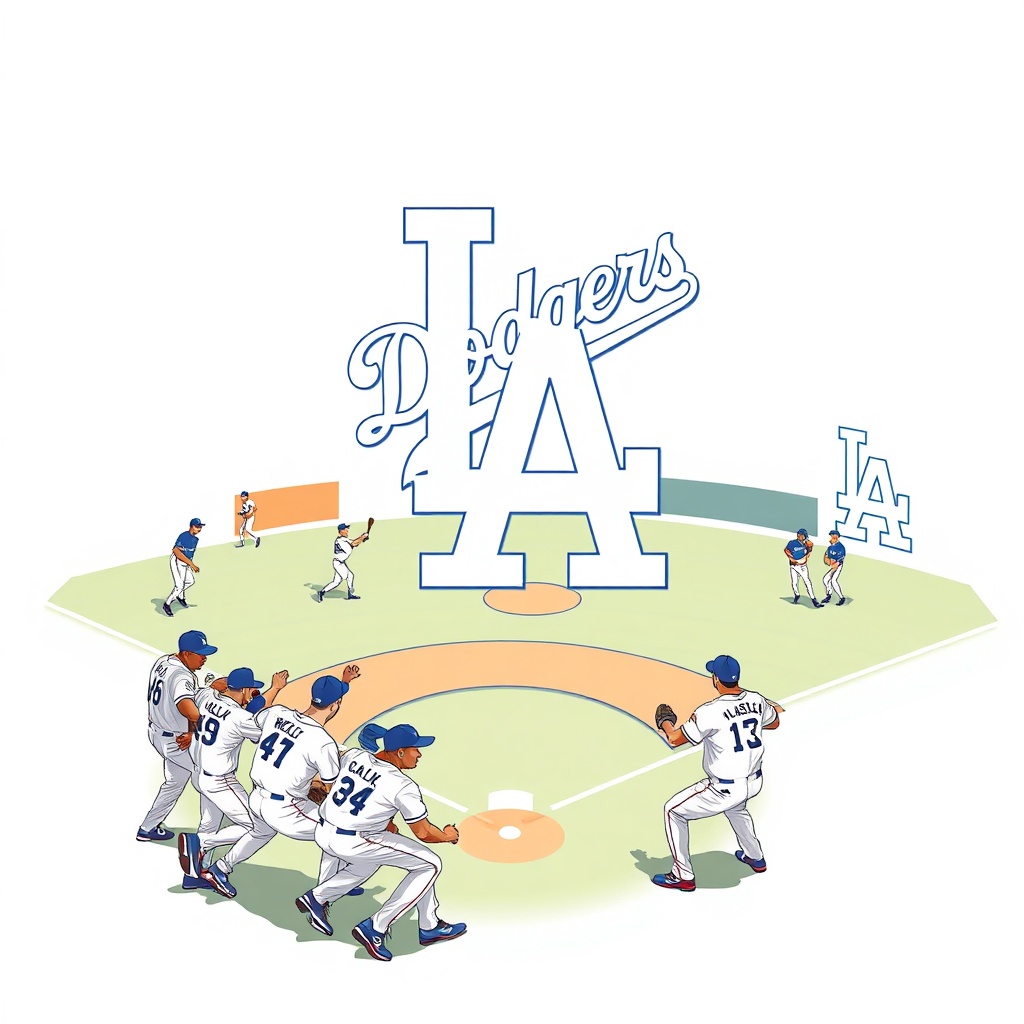
The Dodgers balance respect for baseball’s storied traditions with modern operational excellence. That blend keeps them competitive and culturally relevant, while giving fans plenty of reasons to tune in—whether following a promising prospect, watching an ace on the mound, or enjoying an evening under the lights at Dodger Stadium.
