Los Angeles Lakers’ Championship Blueprint: Stars, Spacing, Defense & Smart Roster Building

The Los Angeles Lakers blend star power, championship tradition, and Hollywood flair into one of the most compelling brands in sports. Beyond the spotlight, the team’s success hinges on a few evergreen ingredients: a healthy superstar core, complementary role players, defensive identity, floor spacing, and smart roster building.
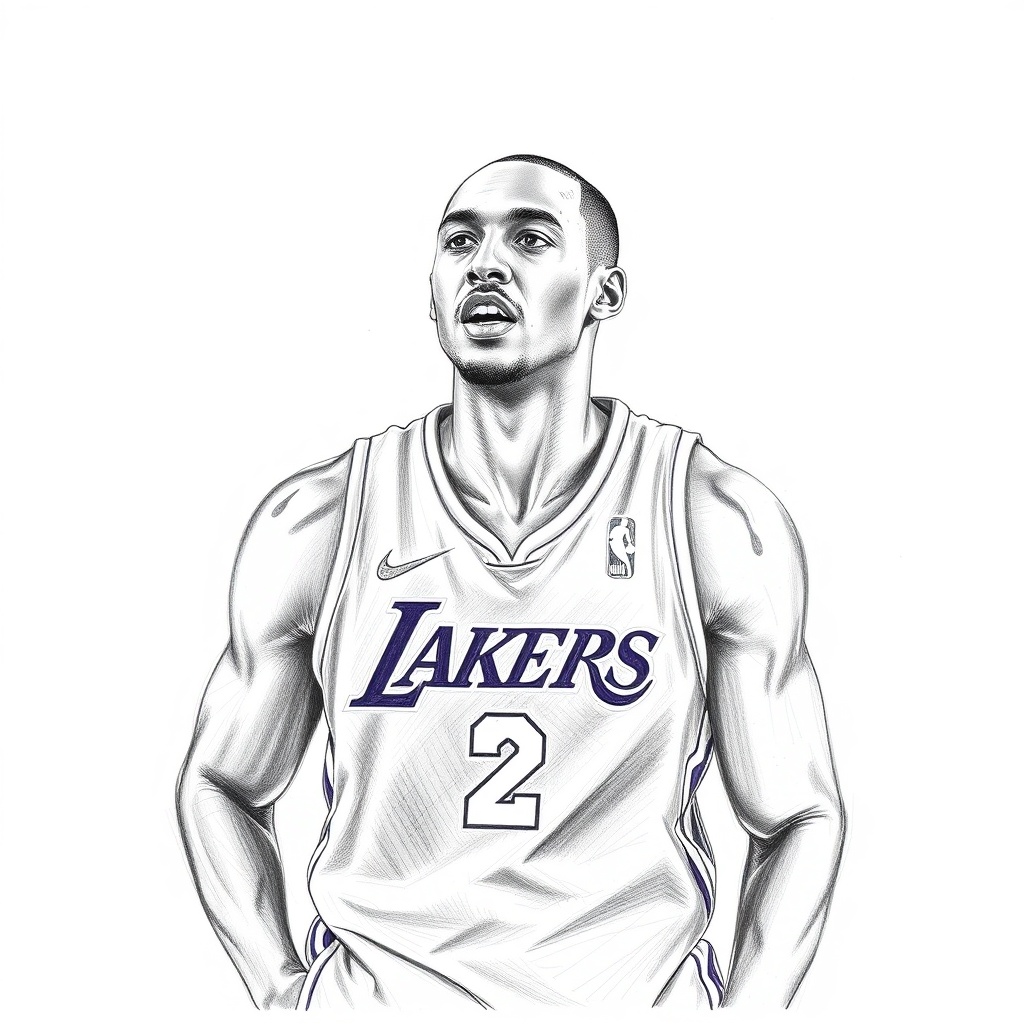
Star-led offense and spacing
When a franchise tilts around a transcendent playmaker and a dominant interior presence, offensive schemes evolve to maximize those strengths.
Ball-screen actions, drive-and-kick plays, and post-entry reads are staples. Surrounding shooters are essential: consistent catch-and-shoot threats force defenses to respect the perimeter, creating driving lanes and easier looks for cutters.
Secondary playmakers who can probe the defense and finish at the rim help preserve the primary playmaker’s energy while keeping opponents honest.
Interior defense and switching versatility
Protecting the rim while maintaining perimeter mobility is a balancing act. Modern defensive systems favor switching on smaller ball-screens, but effective teams also mix in drop coverages and timely help rotations. A mobile rim protector who can anchor pick-and-roll coverages, contest shots without fouling, and rebound at both ends immediately improves transition defense and second-chance control. Versatility—wings who can guard multiple positions—amplifies those advantages.
Role players and late-game execution
Championship runs often hinge on role players converting high-leverage possessions. Reliable free-throw shooters, timely off-ball movement, and the ability to close quarters without ballooning turnovers are invaluable. Bench scoring provides the cushion that keeps starters fresh and offers strategic matchup options. Teams that identify complementary veterans on sensible contracts, then position them in defined roles, consistently reduce late-game chaos.
Roster construction and roster flexibility
Smart teams use a mix of veteran minimums, mid-level exceptions, and draft or G League pathways to maintain flexibility. Maintaining trade assets—two-way contracts, unprotected picks carried through smart forecasting, and depth—creates optionality at the trade deadline. A culture that blends veteran mentorship with opportunities for younger players can unlock unexpected contributors, a key factor when injuries or slumps strike.
Player development and analytics
A robust player-development pipeline emphasizes shooting consistency, decision-making under pressure, and defensive fundamentals.
Analytics inform everything from lineup choices to shooting-value assessments: prioritizing rim attempts, efficient midranges only for elite finishers, and corner threes as high-value spacing shots. Tracking player load, recovery metrics, and individualized training regimens also extends careers for veteran leaders.
Brand, community, and global reach
The Lakers’ brand is built on sustained success and cultural resonance. Global merchandising, international exhibition events, and content-driven storytelling help convert casual viewers into long-term fans. Community initiatives and local partnerships reinforce that the franchise is part of the city’s cultural fabric, not just a nightly entertainment product.
What to watch
Key indicators to monitor are health and availability of the core, bench scoring consistency, defensive communication on rotations and switches, and front-office moves that add complementary pieces without sacrificing long-term flexibility. When those areas align, the team’s blend of star talent, role precision, and strategic depth becomes a recipe for sustained contention.
A franchise with such deep resources can pivot between styles—small-ball pace-and-space to half-court, defense-first systems—depending on matchups.
The teams that adapt while protecting their foundational pillars tend to stay in title conversations.
