Los Angeles is shedding its reputation as a city built only for cars.

Los Angeles is shedding its reputation as a city built only for cars.
A combination of expanded transit, new bike and scooter infrastructure, and neighborhood-driven street redesigns is changing how people move around the region.
Whether you’re a daily commuter, visitor, or someone scouting neighborhoods, understanding the evolving mobility landscape makes getting around faster, cheaper, and more enjoyable.
Transit is becoming a real option for many trips. Light rail, subway, and rapid bus services now link more neighborhoods than before, with better frequency and clearer connections.
Key corridors connect downtown with beaches, midcity neighborhoods, and airport hubs, making it easier to leave the car at home for work, errands, or nights out.
Transit stations increasingly pair with bike-share hubs and micromobility pickup spots, improving first- and last-mile access.
Micromobility — electric scooters, e-bikes, and docked bike-share — fills critical gaps. Protected bike lanes and traffic-calming projects are expanding across core neighborhoods, encouraging casual riders and commuters alike. Businesses along major corridors are adapting to this shift by offering curbside racks, bike parking, and delivery options that rely less on large vehicles. The result: shorter trips, less idling traffic, and more active street life.
Neighborhoods themselves are experimenting with car-light designs. Pop-up open streets and permanent plaza projects convert curb space into seating, dining, and play areas, helping local businesses while creating safer pedestrian environments. These interventions often tie into broader pedestrian-safety efforts that reduce vehicle speeds and prioritize crosswalk visibility, ramping up accessibility for everyone.
Freight and delivery are also evolving to match urban mobility goals. Consolidation points, cargo bikes for last-mile drops, and time-windowed loading zones reduce congestion from delivery trucks and make sidewalks safer. For small businesses, these approaches lower costs and improve predictability for customers who want quick curbside pickup.
Practical tips for moving around smarter:
– Use a transit planner app that blends rail, bus, and micromobility options to see the fastest door-to-door routes.
– Pick up an all-access transit card or mobile pass for seamless transfers across operators.
– For short, dense trips, consider an e-bike or e-scooter — they often beat driving in downtown areas with heavy traffic.
– Travel at off-peak times when possible to avoid congestion and enjoy lower fares or faster commutes.
– Look for neighborhoods with protected bike lanes and frequent transit service if commuting without a car is a priority.
The shift toward multimodal travel also supports climate and public-health goals by cutting emissions and encouraging more active lifestyles. As streets become more balanced between people, bikes, and vehicles, neighborhoods grow more walkable and economically resilient. Local policies that reallocate curb space, invest in safer crossings, and support low-emission freight help sustain these gains.
Los Angeles remains a big, diverse region with different mobility realities from one neighborhood to the next.
The changes under way mean more choices and better options — whether you’re planning a short downtown errand, a beach day, or a commute that avoids the stress of rush-hour traffic.
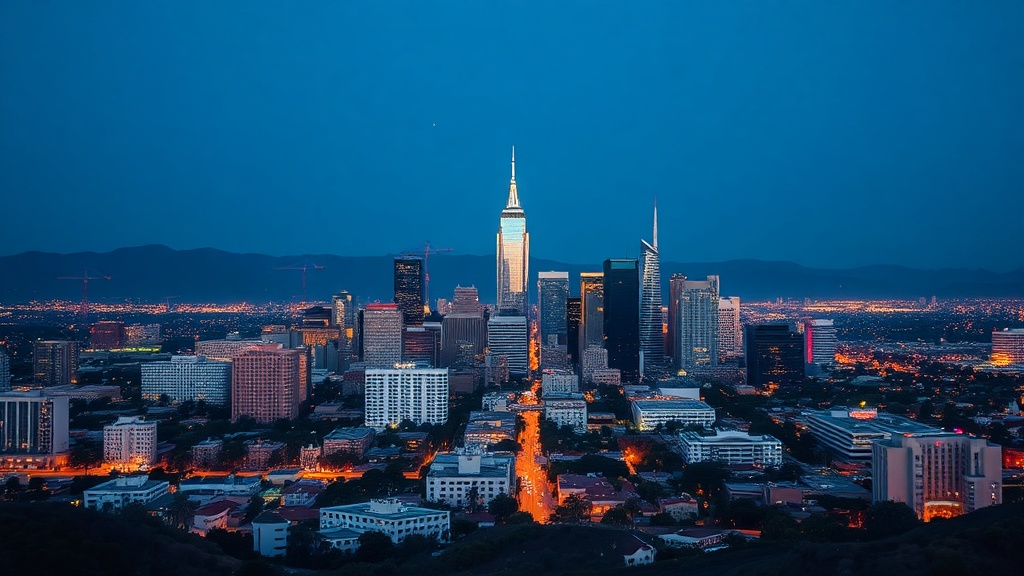
Embracing transit, micromobility, and pedestrian-first street design makes getting around the city smoother, healthier, and more sustainable.
