How Los Angeles Is Becoming Transit-First, Greener, and More Walkable

Los Angeles is reshaping its identity beyond the stereotype of sprawling freeways and perpetual sunshine. A mix of transit investment, climate adaptation, neighborhood-focused development, and cultural renewal is making the city more walkable, greener, and better connected — while preserving the creative energy that defines LA.
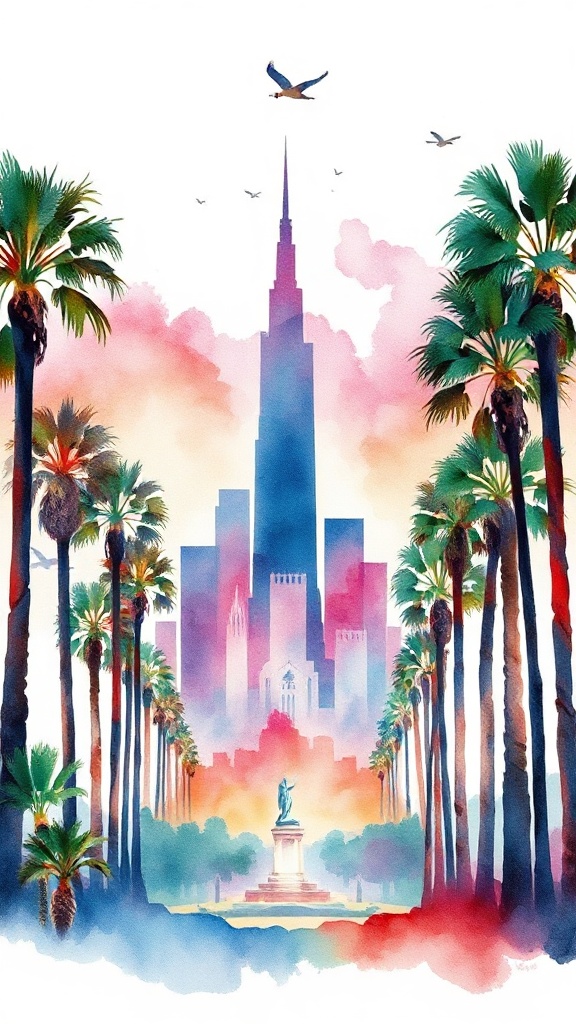
A transit-first shift
Los Angeles is embracing transit-oriented growth that prioritizes subway, light rail, and bus networks. Expanded service corridors and upgraded stations are encouraging denser development around transit hubs, reducing car dependency for many commuters. Micromobility — bikes, e-scooters, and shared e-bikes — complements fixed-route transit by solving that crucial first- and last-mile gap.
Expect continued emphasis on integrated fares and app-based trip planning that make multimodal commutes behave like a single seamless trip.
Housing innovation near neighborhoods
To address housing pressures, many neighborhoods are experimenting with gentle density: accessory dwelling units (ADUs), smaller multifamily infill, and reimagined single-family streetscapes. These options help introduce more rental and ownership choices without erasing neighborhood character. Community-driven design, public review, and subtle scale transitions are smoothing the path for development that feels local rather than corporate.
Greening the urban fabric
Climate resilience is shaping the city’s public realm.
Urban canopy initiatives, drought-tolerant landscaping, and permeable surfaces are being rolled out to cool neighborhoods and reduce stormwater runoff.
Parks and pocket greenspaces are increasingly prioritized as essential infrastructure for health and heat relief, especially in historically under-resourced areas. Coastal communities are balancing recreational access with shoreline protection and natural habitat restoration.
Sustainable mobility and cleaner air
Adoption of electric vehicles and charging infrastructure continues to transform streets and curbside planning. Public fleets, ride-hail services, and private drivers are shifting toward electrification, prompting more fast chargers and curb-management strategies. These changes help reduce local pollution and create quieter, more pleasant street environments that invite outdoor cafes and pedestrian activity.
Public space and placemaking
Streets have become stages for flexible uses: open-air dining, weekend markets, art installations, and cultural programming. Tactical urbanism projects that repurpose parking lanes for parklets or pedestrian plazas are proving popular and politically viable, especially when they boost neighborhood businesses. Creative use of public space is reinforcing local identities and encouraging residents to spend more time outside their homes.
A cultural ecosystem that keeps evolving
LA’s creative scene remains a powerful draw. Independent cinemas, performance venues, galleries, and DIY spaces coexist alongside major studios and tech-backed production. That ecosystem supports cross-pollination between film, music, visual arts, and new media — keeping the city at the forefront of cultural innovation while nurturing grassroots talent.
What residents can do
– Embrace multimodal commuting: learn routes that combine transit with micromobility.
– Consider ADU options or support gentle-density projects in your neighborhood.
– Get involved in park and streetscape planning to ensure equitable outcomes.
– Support local businesses and public programs that activate streets and plazas.
Los Angeles is in the midst of an urban evolution that balances growth with quality of life.
The city’s next chapters will be defined less by single solutions and more by how neighborhoods adopt layered strategies — improved transit, greener streets, adaptable housing, and vibrant public spaces — to create places that feel both dynamic and livable.
