How Los Angeles Is Fighting Heat Waves: Tree Canopy, Cool Roofs & Greener Streets

Los Angeles faces rising temperatures and more frequent heat waves, but the city is also deploying practical strategies that make neighborhoods more livable and resilient. From expanding tree canopy to incentivizing cool roofs and rethinking streetscapes, the approaches blend public policy, community action, and smart design.
Why the heat matters
Urban heat islands form where concrete, asphalt, and low vegetation trap heat. In Los Angeles, those effects compound with regional warming, increasing energy demand, stressing the grid, and creating health risks—especially for older adults, children, and people with respiratory conditions. Cooling strategies reduce energy bills, lower emissions, and improve public health.
City-scale strategies that work
– Tree canopy expansion: Planting and maintaining trees is one of the highest-impact interventions.
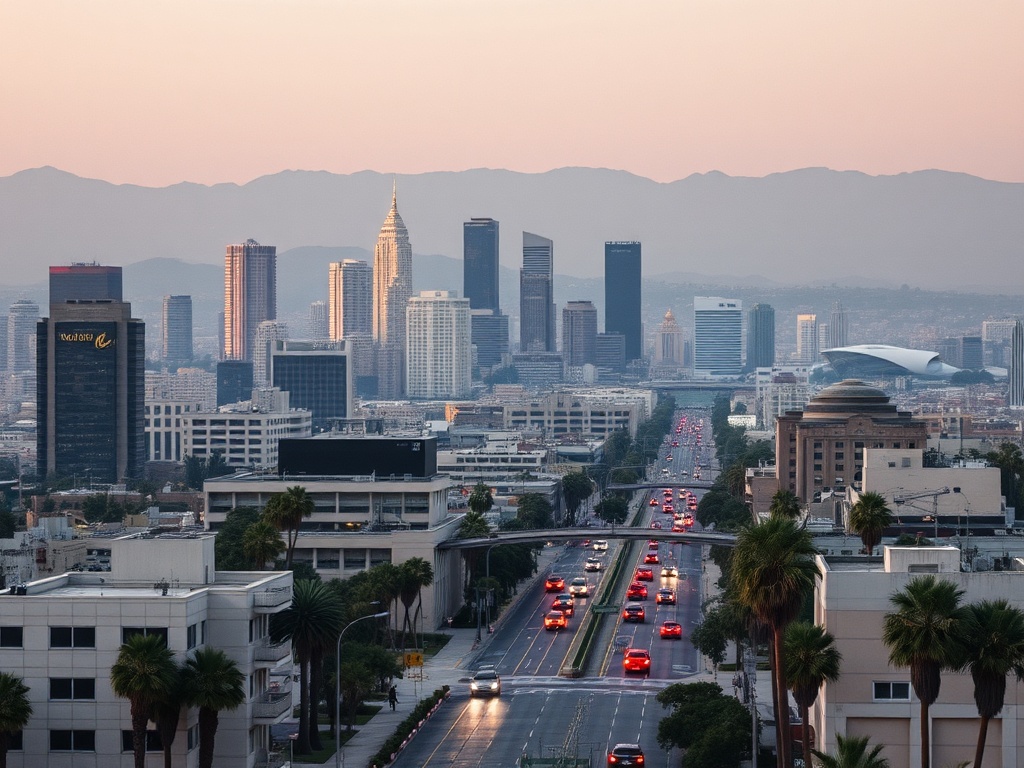
Shade from broad-canopied species reduces surface and air temperatures, cuts cooling costs, and improves air quality.
Strategic planting along streets and near bus stops provides shade where people need it most.
– Cool roofs and pavements: Reflective roof coatings and lighter pavement surfaces send more solar energy back into the atmosphere instead of absorbing it, lowering building and pavement temperatures. Incentives and rebate programs help homeowners and businesses convert dark surfaces to cooler alternatives.
– Green infrastructure: Bioswales, rain gardens, and permeable pavement manage stormwater while adding vegetation that cools through evapotranspiration. These features also strengthen resilience to extreme weather by reducing runoff and improving groundwater recharge.
– Transit and electrification: Shifting people from cars to reliable, shaded public transit and expanding electric buses and charging infrastructure reduces heat-trapping emissions and lowers local pollution that can worsen heat-related illness.
– Community cooling centers and microgrids: Designated cooling sites and resilient energy systems, including community microgrids, provide safe refuge during heat emergencies and power outages.
What neighborhoods and homeowners can do
– Prioritize native and drought-tolerant trees and shrubs: Species adapted to Southern California require less water once established and support local biodiversity. Plant trees where they’ll cast afternoon shade on west- and south-facing walls and sidewalks.
– Retrofit roofs and walls: Lighter-colored roof coatings, reflective paints, and added insulation cut indoor temperatures and energy use. Green roofs are another option where structure and budget allow.
– Create shade and airflow: Pergolas, shade sails, and strategic fencing reduce direct sun exposure. Combining shade with ventilation—cross-breeze windows, ceiling fans—can dramatically lower perceived temperature.
– Water smartly: Nighttime or early-morning irrigation limits evaporation. Drip irrigation and smart controllers adjust water use to soil moisture and weather conditions.
– Community collaboration: Neighborhood groups can organize tree plantings, alley greening projects, and shared cooling zones. Small-scale interventions add up when coordinated across a block or district.
Practical next steps
Check local utility and municipal programs for rebates on cool roofs, trees, and water-efficient landscaping.
Find community organizations that coordinate plantings or alley conversions. Simple household changes—upgrading insulation, installing reflective roofing, or adding blinds and shading—pay off quickly in lower bills and greater comfort.
As Los Angeles adapts to warmer conditions, combining policy, design, and everyday actions creates cooler, healthier neighborhoods.
Small investments by residents and coordinated city measures can make streets, homes, and public spaces noticeably more comfortable and resilient.
