Los Angeles Real Estate: ADUs, Sustainability & Transit — What Buyers, Sellers and Investors Need to Know

Los Angeles Real Estate: What Buyers, Sellers and Investors Need to Know Now
Los Angeles real estate remains one of the nation’s most dynamic markets. Between shifting demand, evolving zoning rules, and growing interest in sustainability and resilient design, the city’s property landscape is changing in ways that affect buyers, sellers, investors and renters alike.
What’s driving the market
Migration patterns and remote work flexibility continue to influence where people choose to live. Many are prioritizing lifestyle factors—commute time, outdoor space, access to transit and neighborhood amenities—over city-center location alone. At the same time, supply constraints and high construction costs keep inventory tight across many neighborhoods, supporting steady demand for well-priced, move-in-ready homes.
Accessory dwelling units (ADUs) and small-scale development
Accessory dwelling units remain a major trend for homeowners and investors looking to add rental income or multi-generational living space.
Recent policy changes at local and regional levels have made permitting easier in many cases, and incentives for energy-efficient ADUs are increasingly common. Builders and homeowners are focusing on modular, prefab and small-footprint designs to control costs and speed construction.
Sustainability and resilience as selling points
Energy-efficient upgrades, drought-tolerant landscaping and wildfire-resistant materials are more than green gestures—they’re strong selling points. Buyers are paying closer attention to insurance availability and long-term maintenance costs, which makes investments in resilient design and certified energy systems attractive for resale value and tenant demand.
Neighborhoods and transit-oriented opportunities
Transit-oriented development continues to shape property values. Proximity to light rail, bus rapid transit and improved bike infrastructure adds appeal for commuters and renters who prefer reduced car dependency. Emerging pockets of growth often appear near new or improved transit nodes, though competition for well-located properties can be intense.
Luxury and investment markets
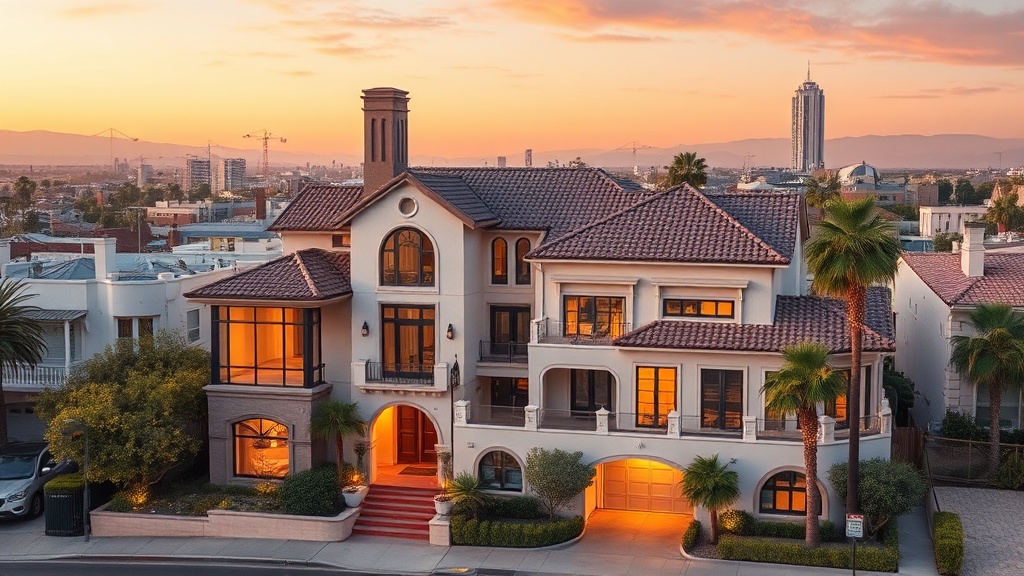
The luxury segment of Los Angeles real estate often moves on different rhythms than entry-level housing. High-end homes with privacy, views and exceptional amenities remain desirable to domestic and international buyers.
For investors, short-term rentals still offer potential in select areas, but regulatory and neighborhood considerations make careful due diligence essential.
Tips for buyers
– Get pre-approved and know your financing options; creative financing can help in competitive situations.
– Prioritize walkability, transit access and neighborhood amenities—these features drive long-term value.
– Factor in utility costs, potential retrofits for energy efficiency, and insurance availability—especially in areas with wildfire risk.
Tips for sellers
– Stage for lifestyle: highlight outdoor spaces, home offices and energy-saving features.
– Invest selectively in curb appeal and resilience upgrades that offer a strong return on investment.
– Work with an agent skilled in pricing strategies for competitive local conditions.
Tips for investors
– Target properties near transit and employment corridors for steady rental demand.
– Consider ADU conversions or small-scale multifamily opportunities where zoning allows.
– Perform rigorous cash-flow and regulatory analysis, particularly around short-term rental rules and local tenant protections.
Navigating permits and local rules
Permitting timelines and zoning interpretations can vary block by block. Engaging architects, contractors and agents who specialize in permitting and compliance will reduce surprises and help projects move forward more predictably.
Los Angeles real estate is a market of contrasts—high demand and limited inventory, cutting-edge design and legacy neighborhoods, strong investment potential and regulatory complexity. Whether buying, selling or investing, a strategy grounded in local trends, resilience, and long-term value will position stakeholders to benefit as the market evolves.
