Los Angeles Reinvented: Transit, Neighborhoods, EVs & Climate Resilience

Los Angeles is evolving fast, and the city’s reinvention touches everything from transit and housing to food culture and climate resilience. Whether you’re a long-time Angeleno or planning a move, understanding these trends helps you navigate the city’s opportunities and challenges.
Transit and mobility
Los Angeles is expanding beyond its car-first reputation. Investments in rail, light-rail connectors, and better bus service aim to make cross-city travel easier and less dependent on driving. Micro-mobility—shared bikes, e-bikes, and scooters—fills gaps for short trips, while growing networks of protected bike lanes and pedestrian-friendly streets improve safety and walkability in many neighborhoods. For commuters, combining rideshare, transit, and last-mile options via transit apps is increasingly practical and often faster than sitting in traffic.
Housing and neighborhoods
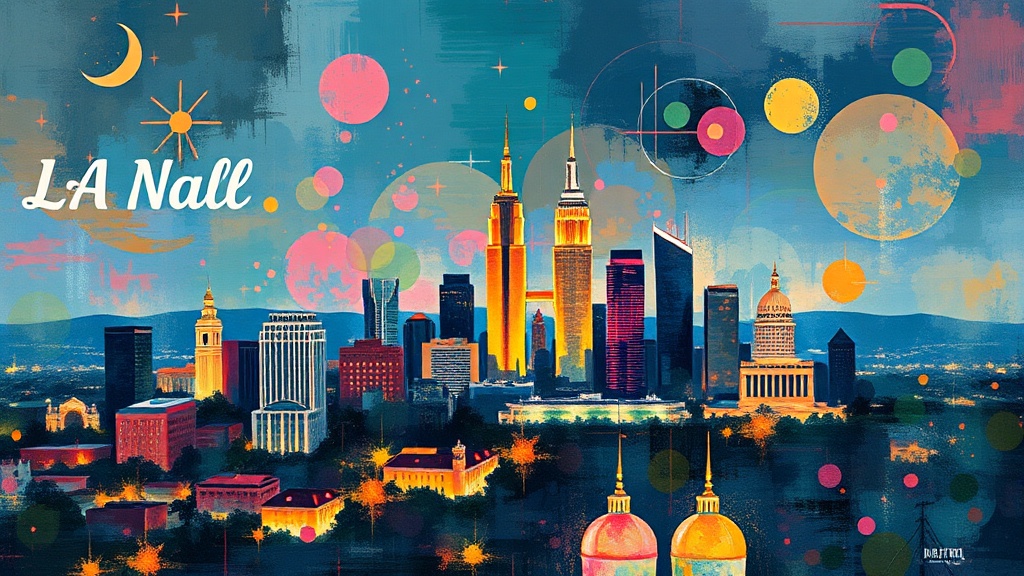
Affordability pressures are reshaping many LA neighborhoods. Strategies such as transit-oriented development and the wider adoption of accessory dwelling units (ADUs) are being used to increase housing options near transit corridors. Each neighborhood keeps its distinct flavor: Koreatown’s late-night dining and karaoke; Boyle Heights’ rich cultural roots and community activism; Silver Lake and Echo Park’s indie cafés and creative scenes; and coastal enclaves offering beachside living.
When searching for a place to live, prioritize access to transit, neighborhood amenities, and green space to balance commute time and quality of life.
Climate resilience and urban greening
Heat, drought resilience, and stormwater management are major focuses. City initiatives and community projects are planting trees, installing permeable pavements, and expanding parks to cool neighborhoods and reduce flooding risk.
Water conservation measures and local water recycling programs help reduce dependence on imported supplies. Homeowners and building managers increasingly adopt passive cooling strategies—shade trees, cool roofs, and window shading—to lower energy use and improve comfort without relying solely on air conditioning.
The electric transition
Electric vehicles and charging infrastructure are becoming more common across public lots, multi-unit buildings, and private homes.
Incentives and utility programs support faster installation of chargers, which is important for people considering EV ownership or shared electric fleets. The shift to electrification ties into broader goals for cleaner local air and lower neighborhood-level emissions.
Food, culture, and nighttime economy
Los Angeles’ food scene remains one of its strongest draws. The city’s cultural diversity produces standout options from high-end dining to beloved street food. Farmers markets, food halls, and food truck scenes make it easy to explore new flavors. Nightlife and live performances continue to recover and diversify, with smaller venues and outdoor stages offering unique cultural experiences beyond major arenas.
Outdoor lifestyle and recreation
Access to beaches, mountain trails, and urban parks supports an outdoor-first lifestyle. Popular hikes, coastal rides, and neighborhood parks offer quick escapes from urban stress. Community sports leagues, outdoor fitness classes, and waterfront activities keep people active without long commutes.
Practical tips for navigating LA
– Use transit apps and real-time tracking to plan trips and avoid delays.
– Consider neighborhoods that balance housing costs with commute times and amenities.
– Support local businesses and farmers markets to tap into the city’s culinary diversity.
– Look for homes with EV charging capability or easy access to public chargers.
– Get involved in local climate or neighborhood initiatives—community input shapes the city’s next projects.
Los Angeles is a city of neighborhoods reinventing themselves through smarter mobility, greener infrastructure, and cultural vitality.
With practical planning and local engagement, residents and visitors can make the most of what the city has to offer.
