Los Angeles Real Estate Guide: Trends, ADUs, Financing & Regional Risks

Los Angeles real estate remains one of the most dynamic and diverse markets in the country, blending coastal luxury, urban renewal, and suburban family neighborhoods.
Whether you’re a first-time buyer, investor, or homeowner considering a move, understanding current forces shaping the market will help you make smarter decisions.
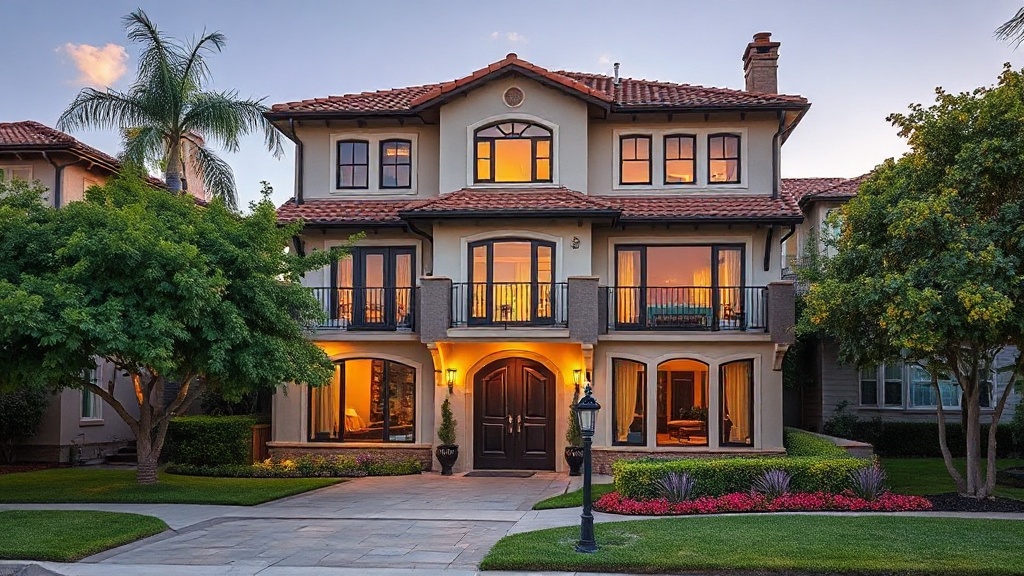
What’s driving demand
Several factors keep demand strong across LA: lifestyle preferences for walkable neighborhoods, the rise of flexible work arrangements, and sustained interest from domestic and international buyers.
Inventory often struggles to keep pace with demand in desirable areas, which can create competitive scenarios for well-priced, well-located homes.
Neighborhood patterns to watch
– Westside and coastal communities continue to attract buyers seeking top schools, ocean access, and established amenities.
– Central LA neighborhoods—like downtown-adjacent districts and trendy mid-city pockets—appeal to those prioritizing culture, transit access, and new construction.
– Hillside and valley enclaves offer space, views, and more house-for-dollar value, popular with families and buyers seeking privacy.
Each neighborhood has its own microclimate of pricing, resale potential, and permitting rules; local knowledge is critical.
Regulatory and construction trends
Accessory dwelling units (ADUs) remain a prominent trend for homeowners looking to increase rental income or create multigenerational living arrangements. Streamlined permitting in many parts of the city has made ADUs a practical option, though neighborhood-specific zoning and HOA rules still apply.
Sustainability features and resilient design are increasingly important. Buyers value energy-efficient systems, drought-tolerant landscaping, and materials designed to withstand heat and fire risks. Retrofits that improve insulation, solar installations, and water-wise landscaping can boost marketability and long-term savings.
Financing and affordability considerations
Mortgage products and lending standards influence buying power. Buyers should compare loan options, get preapproved, and budget for local costs such as transfer taxes, escrow, and potential retrofit expenses.
For investors, cash-flow analysis should include property taxes, insurance, maintenance, and any rent-control constraints.
Rent control and tenant protections
Parts of the city have robust tenant-protection laws that affect rental pricing, evictions, and capital improvement pass-throughs. Investors and landlords need to understand local ordinances before purchasing rental properties. Working with a knowledgeable property manager can help navigate compliance and tenant retention strategies.
Risks unique to the region
Wildfire exposure, earthquake risk, and water supply variability are practical concerns for buyers and insurers.
Professional inspections, hazard assessments, and reviewing insurance availability are essential steps before closing.
Title searches and disclosure reviews can uncover issues related to easements, seismic retrofitting requirements, or prior code violations.
Tips for buyers, sellers, and investors
– Buyers: Prioritize a trusted local agent, secure financing early, and order inspections focused on regional risks.
– Sellers: Invest in curb appeal, highlight upgrades like solar or ADUs, and consider pre-listing inspections to remove surprises.
– Investors: Evaluate neighborhoods for rental demand, local rent regulations, and long-term appreciation potential rather than short-term flips.
Navigating the market
Market conditions can shift quickly, but strong preparation delivers advantage. Use local market reports, connect with experienced agents and contractors, and plan for both opportunity and risk. With thoughtful strategy, Los Angeles real estate offers ways to achieve lifestyle goals, build equity, and capitalize on long-term demand.
