Los Angeles Lakers’ Championship Blueprint: Roster Construction, Coaching & Culture

What makes the Los Angeles Lakers a perennial headline-grabbing franchise is more than star power — it’s a blend of roster construction, coaching philosophy, and a culture that demands winning. Fans and analysts alike watch how the organization balances immediate title pursuits with sustainable depth, and that balance offers lessons for any team chasing a championship.
Star duo and role-player balance
At the heart of the Lakers’ identity is the pairing of a transcendent leader with a high-impact complementary big.
That combination forces opposing defenses to choose how they will match up, creating spacing and mismatch opportunities. Surrounding those pillars with versatile wings, perimeter shooters, and defensive forwards has been a recurring formula. The best Lakers rosters mix youth and veterans: experienced players provide playoff poise, while younger contributors bring energy and floor spacing.
Offense: spacing, pick-and-roll, and playmaking
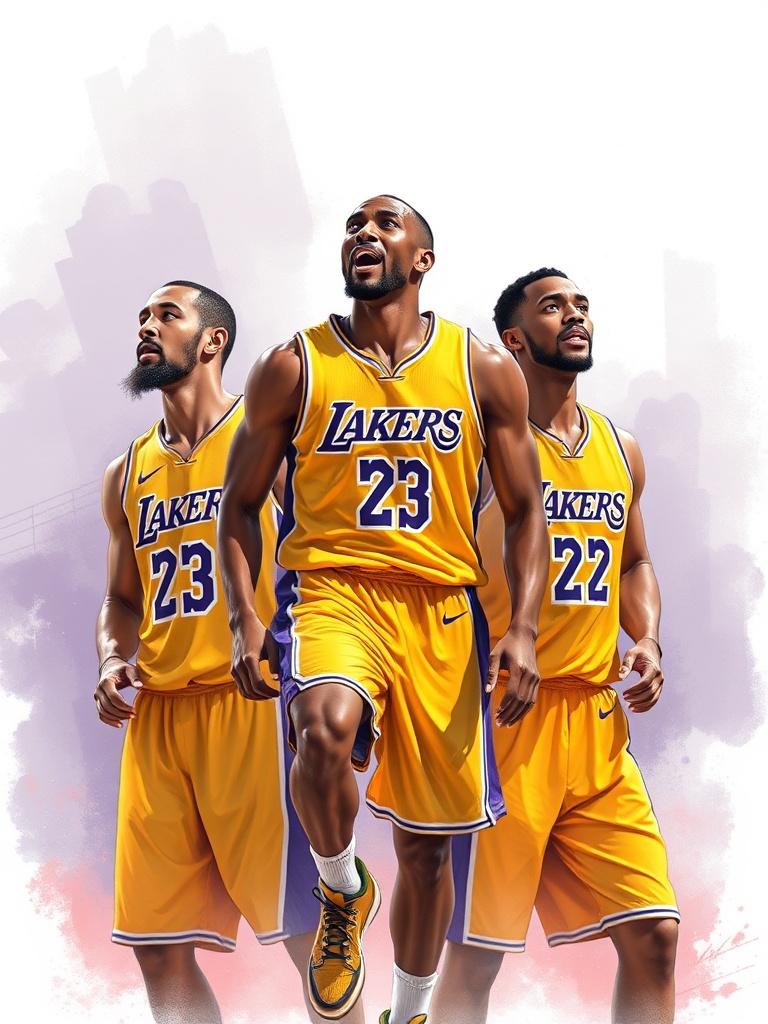
Modern Lakers offenses emphasize spacing and pick-and-roll efficiency. Having reliable shooters around a primary playmaker stretches defenses and opens driving lanes. The most successful iterations feature secondary creators who can initiate when the primary star is resting, plus cutters and motion sets that exploit defensive rotations. Transition scoring remains valuable — turnovers and offensive rebounds fuel quick points that shift momentum.
Defense: versatility and rim protection
Defense sells championships. The Lakers typically prioritize rim protection and switching versatility. A mobile big who can contest shots at the rim and defensive wings who can guard multiple positions allow for flexible schemes: drop coverage, switch-heavy sets, or blitz packages. Communication and effort on help rotations often determine playoff outcomes more than grit alone. Investing in specialists who can guard the perimeter without sacrificing rebounding is a strategic advantage.
Depth and load management
Load management for star players and a deep rotation are essential throughout long regular seasons and grueling playoff stretches. A reliable bench that can maintain energy and protect leads allows starters to stay fresh for the postseason. Teams that run nine- to eleven-deep rotations and feature role clarity avoid late-game chaos — each bench player knowing their defensive sets, late-clock responsibilities, and shot selection makes a tangible difference.
Front office strategy: flexibility and timing
Smart salary-cap navigation and timing of trades or free-agent signings matter more than marquee moves alone. Preserving mid-level flexibility to add shooters or rim protectors at opportune moments keeps a roster adaptable. Draft picks, young player development, and targeted veteran signings create a balance between the present and the future. The Lakers’ brand strength helps attract free agents, but wise teams prioritize fit over star names.
Culture and expectations
Playing in Los Angeles means dealing with intense media scrutiny and high expectations. A clear team culture — defined by accountability, competitiveness, and a willingness to play team defense — can unify disparate personalities. Leadership from established veterans, supported by coaches who demand clarity on both ends of the floor, often becomes the intangible edge in tight playoff series.
What fans should watch
Pay attention to three indicators that signal contention: consistent three-point accuracy with smart shot selection, effective rim protection without sacrificing mobility, and a bench that contributes steady offense and defensive stops. When those pieces align, the Lakers are positioned to convert star talent into deep playoff runs.
Whether the franchise is tweaking its lineup or making headline moves, the underlying blueprint remains the same: construct around elite talent, shore up defense, preserve flexibility, and cultivate a winning culture. That combination keeps the Lakers a team to watch for fans and rivals alike.
